The Integration of AI Qualibot Robotics in Paper Recycling
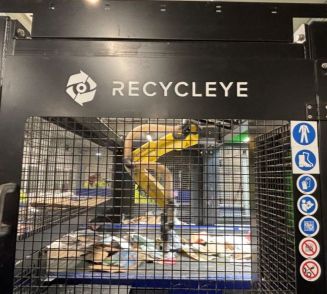
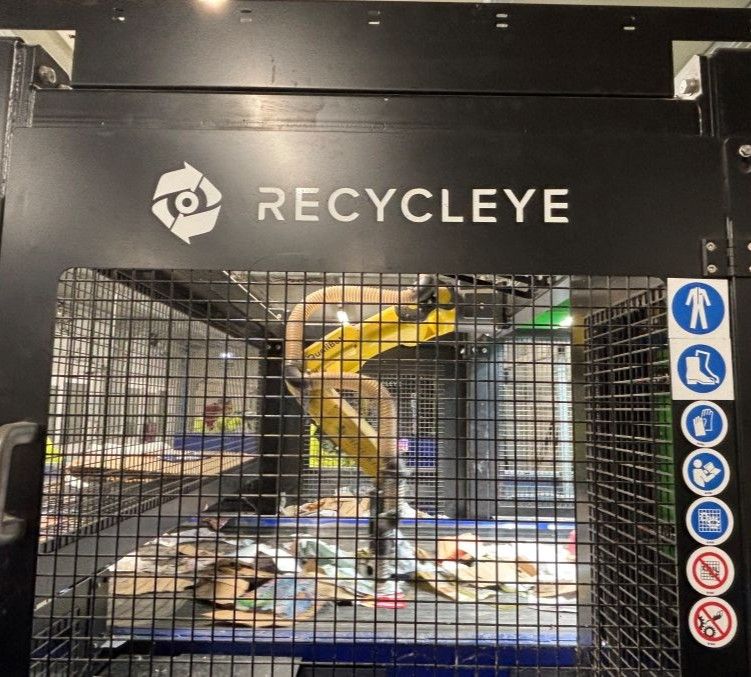
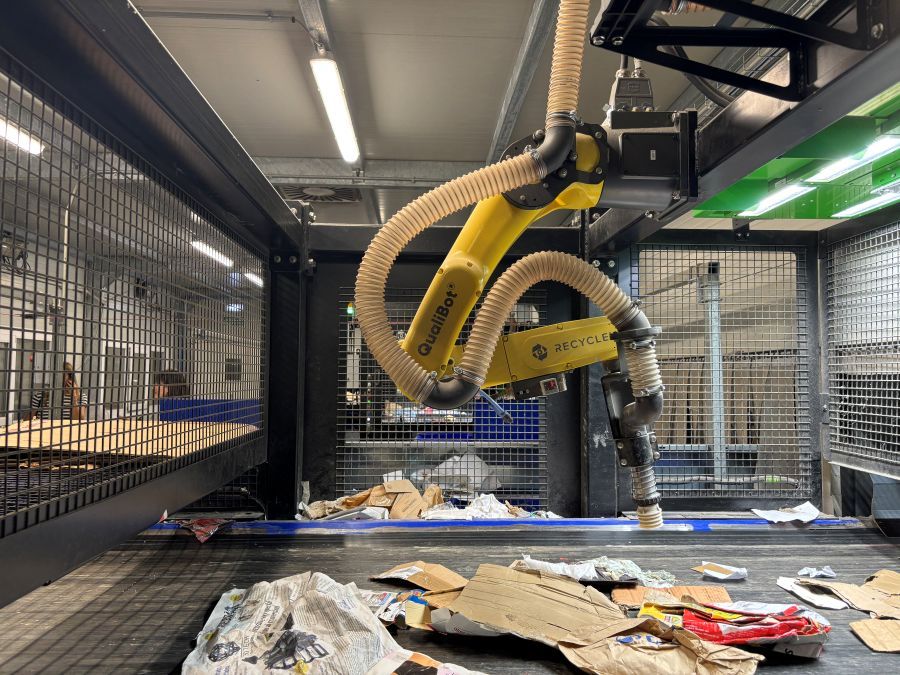
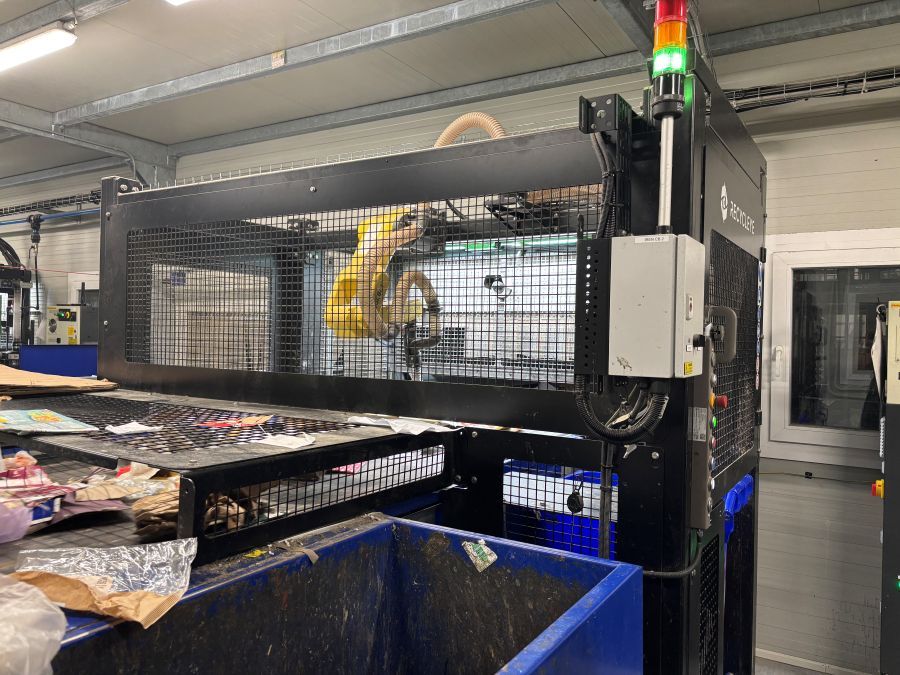
Robotics and artificial intelligence for paper sorting: Recycleye's Qualibot at the Iren paper recycling plant in Parma.
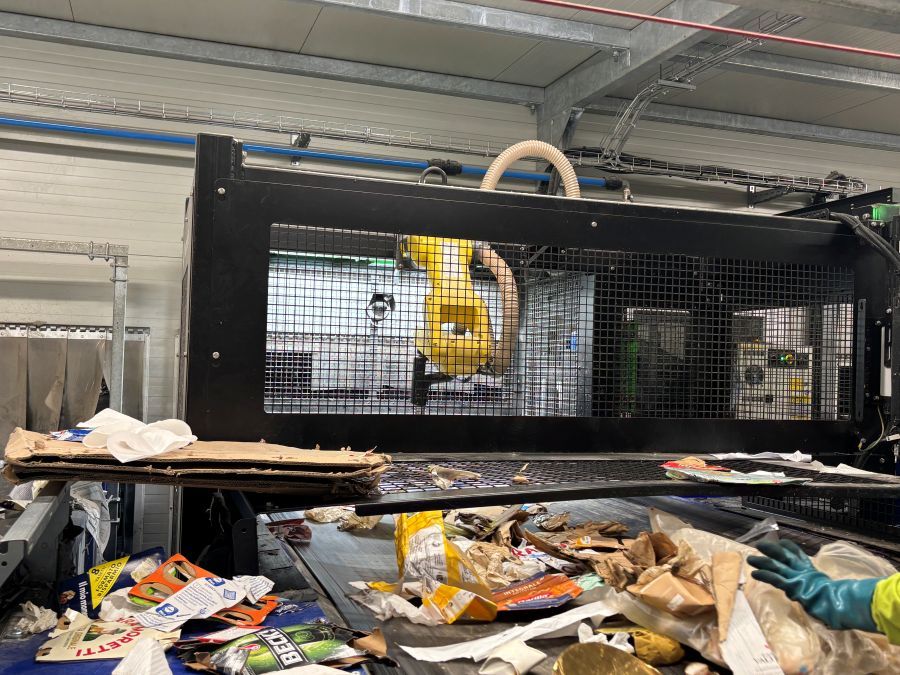
At the Recap plant in Parma, located within the integrated environmental hub managed by Iren, paper and cardboard sorting is enriched with a new technology based on robotics and artificial intelligence. Along the paper sorting line, two Qualibots operate—the system developed by Recycleye for automatic recognition and picking of materials from the conveyor belt.
Inaugurated in 2022, the Iren plant in Parma sorts and processes plastic and paper packaging from separate waste collection in the provinces of Parma, Reggio Emilia, and Piacenza. The facility is one of the largest in Italy in terms of processed volume. Regarding paper, the material undergoes a sorting process that separates graphic paper, newspapers, and paper from cardboard.
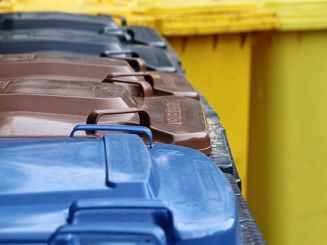
"We are in Parma at the Recap plant, inside an integrated environmental hub. As far as paper is concerned, we process around 60,000 tons annually coming from the blue bins of the Emilian territory," explains Rossana Cupri, head of the Iren plant.
It is precisely within the paper sorting line that the Qualibots were introduced, aiming to increase the sorting capacity for beverage containers—packaging composed of approximately 97% paper, which is collected from citizens alongside paper recycling. During the testing phase, Recycling Industry was able to see Recycleye's Qualibot material sorting robots in action, introduced specifically for picking beverage cartons.
Humans and Robots on the Same Line
Automation is not created with the goal of eliminating operator intervention, but rather to facilitate their activity. The project entails collaboration between staff and robots, with technology assigned to carry out repetitive and continuous tasks along the belt. This is an aspect that Iren considers important regarding the future evolution of work in sorting facilities.
The advantage of robotics in this context lies primarily in performance continuity. The system can work without variations caused by operator fatigue or distraction and maintain a constant picking frequency based on information processed by artificial intelligence.
"The robot guarantees consistency over time, precision linked to the upstream database, and continuity in picking operations," adds Cupri.
The Qualibot technology developed by Recycleye consists of three fundamental elements:
1 Vision System ("eye"): an optical module installed above the conveyor belt.
2 Robotic Arm ("arm"): the mechanical handling unit designated for dynamic picking of products.
3 Artificial Intelligence Software (“brain”): Recycleye's proprietary model that analyzes images in real time and determines which materials should be selected, activating the robotic arm.
The platform also allows monitoring of the robot's operation through control systems that provide feedback on performance and sorting activity. In this way, the plant can verify picking effectiveness and track machine behavior over time. Naturally, sorting quality also depends on the condition of the material on the belt. A sufficiently even distribution of objects facilitates the vision system's work and allows the robot to identify materials to be picked with greater precision.
Installation Without Stopping the Plant
One of the challenges addressed during technology integration was inserting the system into an already operational plant. Mechanical and electrical installation was completed over a weekend, from Friday afternoon to Sunday, avoiding significant production downtime during working days.
"Recycleye integrated into an already functioning plant, working in synergy with our internal engineering team," says Cupri. "The installation took place in complete autonomy over a weekend without causing major production stops".
Maintenance was also designed keeping in mind the typical conditions of paper sorting plants. The material handled, on the order of 5–6 tons per hour, generates a significant amount of dust. For this reason, Qualibot was designed to be managed with simple procedures accessible directly to line personnel. One of the routine operations involves cleaning the suction cups used by the arm to pick up objects.
Remote Artificial Intelligence Training
A significant portion of the work related to artificial intelligence takes place outside the plant. After an initial verification of operating and installation conditions, the customer provides Recycleye with samples of the materials to be recognized. The model is then trained and updated by the company, without requiring the plant to manage this activity directly.
"After an initial audit at the plant to check Qualibot installation conditions, the customer only needs to provide material samples; Recycleye takes full care of training and updating the artificial intelligence model," explains Nicola Marazzi, Recycleye Sales Manager for Italy.
Added to this is an annual support service that includes spare parts, aimed at reducing downtime in case of interventions. "We provide a complete annual support package including guaranteed spare parts to minimize machine downtime and protect production," says Marazzi.
The experience at the Parma recycling plant thus represents a further step toward increasingly automated material flow sorting. Technology does not replace human intervention, but brings to the belt a recognition and picking capability that maintains continuity and constant attention throughout the entire work shift. The combination of vision, artificial intelligence, and robotics thus fits into a process of progressive plant automation, in which the operator's role shifts increasingly toward controlling and supervising sorting operations.

FOTOALBUM
NEWS