Vecoplan shakes up the waste recycling sector
Vecoplan recently presented new innovative products during the IFAT trade fair.
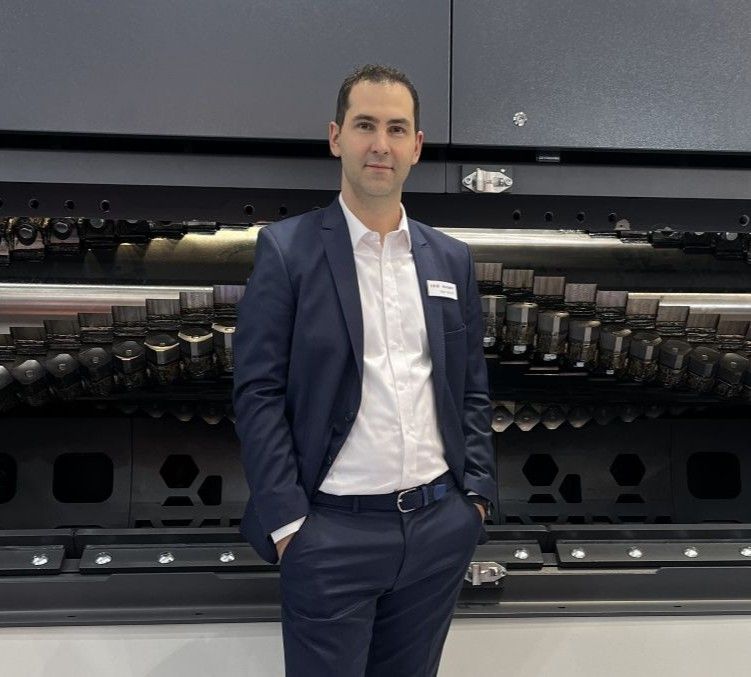
During the press conference, Recycling Industry had the pleasure of speaking with Fabio Venturoli, Sales Manager for Vecoplan Italy, to delve into the new machinery presented.
Recycling Industry: This year Vecoplan presents itself with innovations that seem to mark a change of pace, especially in the mobile sector. What is the strategy behind the new VEZ 3300?
Fabio Venturoli:
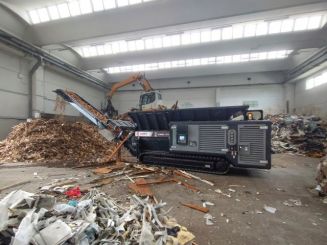
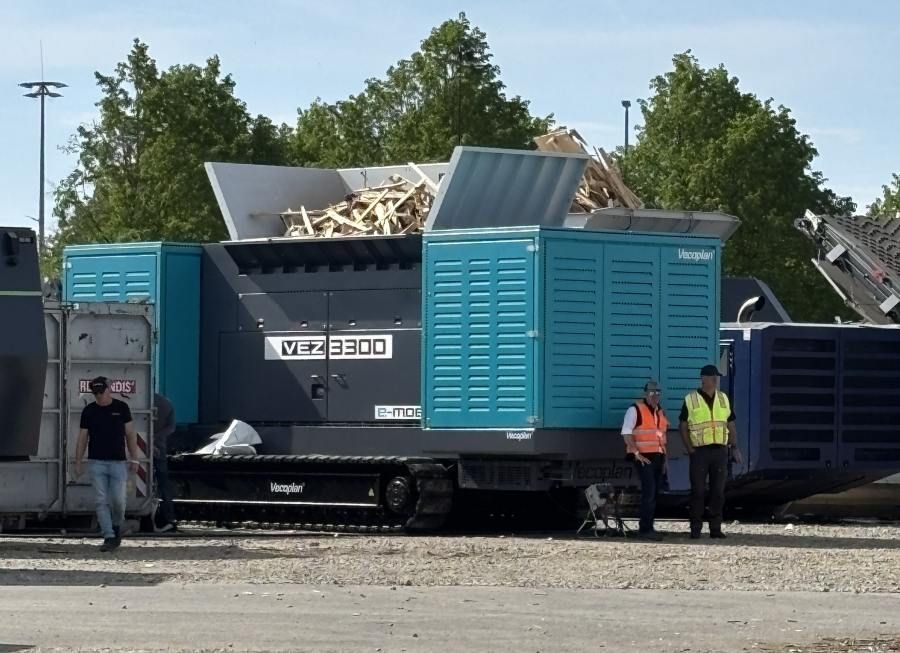
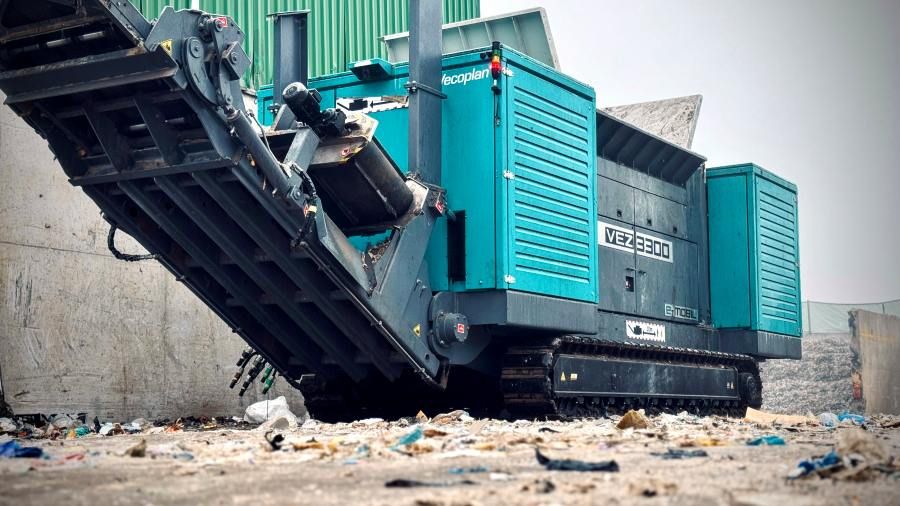
With the new VEZ 3300, now also available in a mobile version, Vecoplan decisively enters a market niche where it was not previously present. The new mobile shredder is the largest machine ever built by the company, equipped with a 3300 mm rotor. It is a "plug-and-play" solution that requires no civil works or foundations: it can be installed and put into operation immediately, ensuring total flexibility at waste and recyclable material management sites.
Recycling Industry: Technically, what distinguishes the mobile version from the stationary one?
Fabio Venturoli:
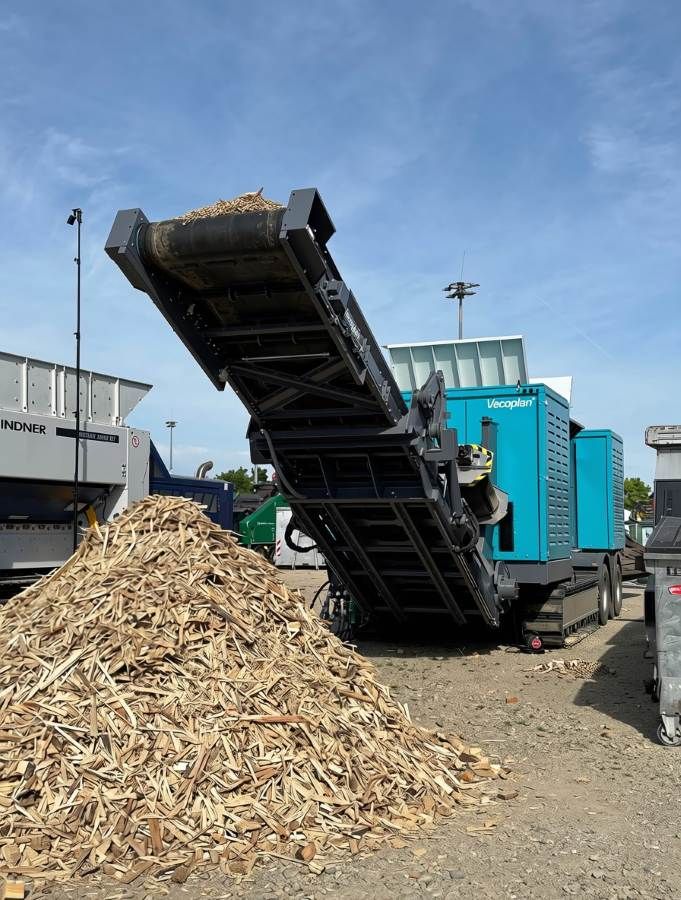
Aesthetically, the two versions are similar, but the mobile one is equipped with a newly designed crawler undercarriage for movement and a folding conveyor belt to facilitate transport. The technological heart is the HiTorc synchronous permanent magnet electric motor, which is extremely efficient and virtually wear-free because it is connected directly to the rotor without any transmission components. The uniqueness of the mobile version is its hybrid system: a diesel generator exclusively powers the hydraulic utilities (such as track movement, maintenance door opening, and belt management), while the electrical grid connection is required to operate the rotor. This choice combines mobility and exceptional performance: an hourly throughput of up to 80 tons per hour with incredibly low energy consumption.
Recycling Industry: How is the output size managed?
Fabio Venturoli:
The VEZ 3300 is characterized by extreme flexibility, allowing a transition from primary shredding to very fine secondary shredding, with grids that can go down to 50 mm. The size of the cutting knives or the rotor geometry can also be adapted depending on the application.
Recycling Industry: What technological innovations allow the VEZ 3300 to optimize the shredding process?
Fabio Venturoli:
The machine is mainly designed for the production of alternative fuels (RDF/SRF) from domestic and industrial waste, as well as for wood shredding. In all these cases, maintaining a constant cutting gap is a fundamental aspect of ensuring a correct shredding process. The VEZ 3300, like other Vecoplan shredders, is equipped with counter-blades that are automatically adjusted, maintaining a constant cutting distance from the knives without the need for manual intervention. This ensures an optimal shredding process, lowering energy consumption, maintaining high homogeneity and quality of the shredded material, and simultaneously reducing maintenance times.
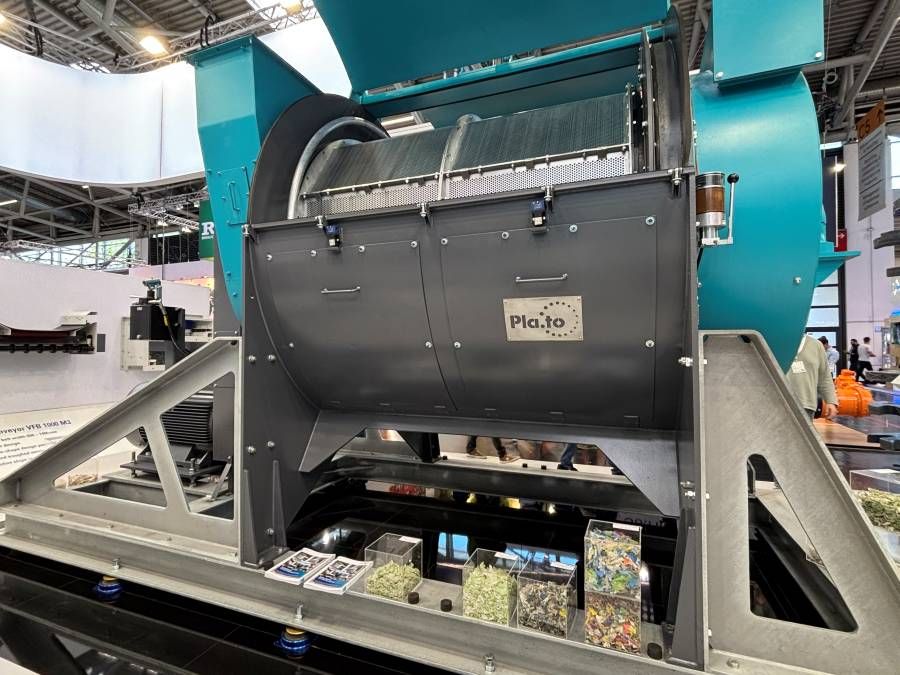
Recycling Industry: Let's move to the second product presented, the "Dry Cleaner." Why did you choose to focus on dry cleaning of plastics?
Fabio Venturoli:
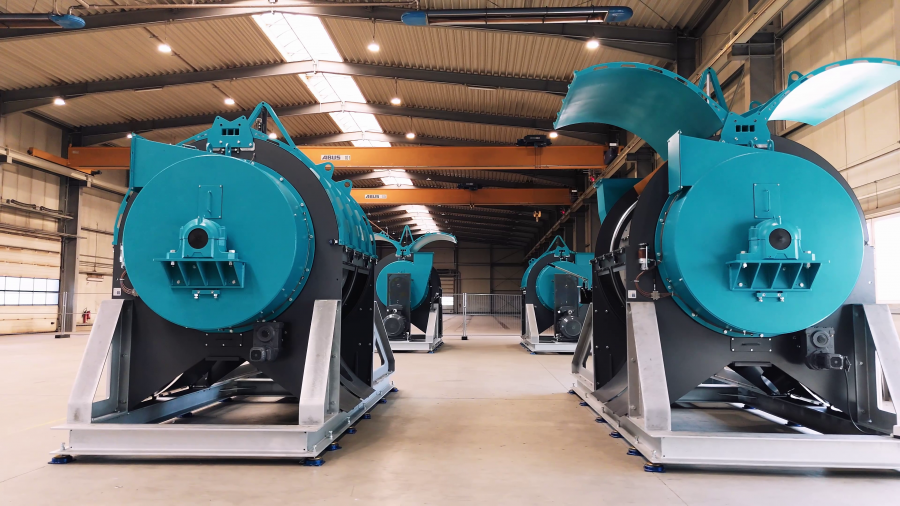
The push comes from new European regulations, such as the PPWR (Packaging and Packaging Waste Regulation), which impose mandatory quotas of recycled material in packaging. Another challenge is that virgin plastic is often cheaper than recycled plastic, making it difficult to use recycled material cost-effectively. The dry cleaning technology, developed by integrating technologies from our subsidiary Pla.to, eliminates the use of water—a resource that is increasingly scarce and expensive—and therefore offers particular advantages in situations where wet washing is not necessary. Furthermore, it eliminates the need to dry the material before subsequent processing stages, drastically reducing operating costs.
Recycling Industry: In which sectors do you see the greatest applications for this cleaning technology?
Fabio Venturoli:
The Dry Cleaner is particularly suitable for use in chemical recycling applications. We also see potential in mechanical recycling for medium-low quality plastics, such as fruit crates or other low-value products; if the degree of dry cleaning proves adequate for downstream processes, we will have made a huge leap forward in terms of efficiency and sustainability.
Recycling Industry: What challenges does Vecoplan set for itself with these machines?
Fabio Venturoli:
The goal is to bridge the gap between regulatory ambitions and industrial reality. Whether it's optimizing cutting geometry to save up to 30% energy in shredding or implementing application-specific cleaning processes, we want to offer solutions that make recycling not just an ecological obligation, but a real economic advantage for companies.

FOTOALBUM
NEWS