R3GID, the facility for recycling rigid plastics
Recycling Industry visits Aliplast's newly inaugurated R3GID plant in Modena. At full capacity, the facility will produce up to 30,000 tonnes of high-quality recycled polymers annually from rigid plastic waste.
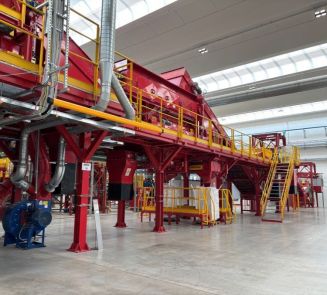
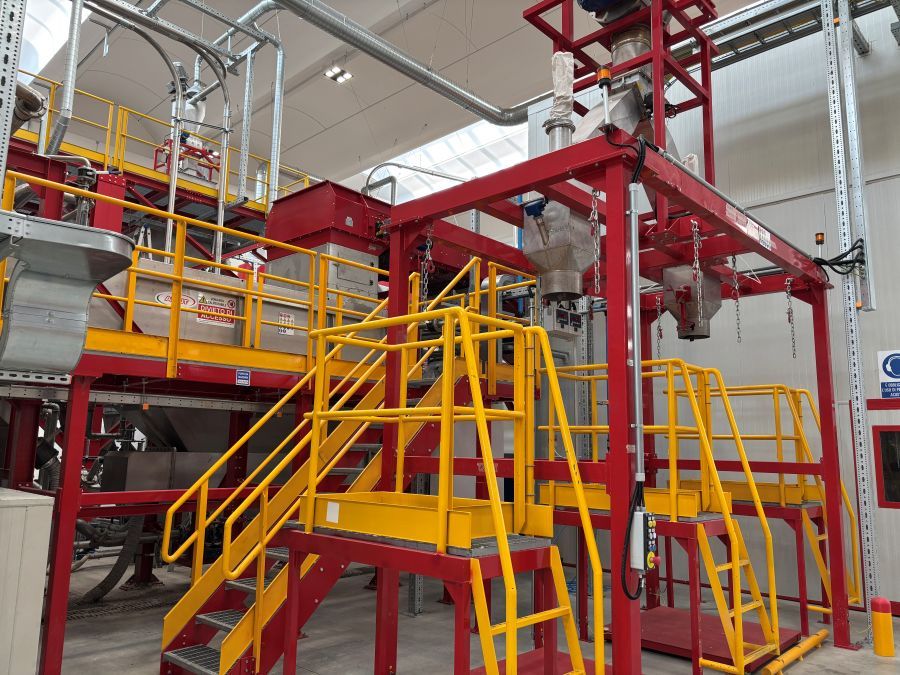
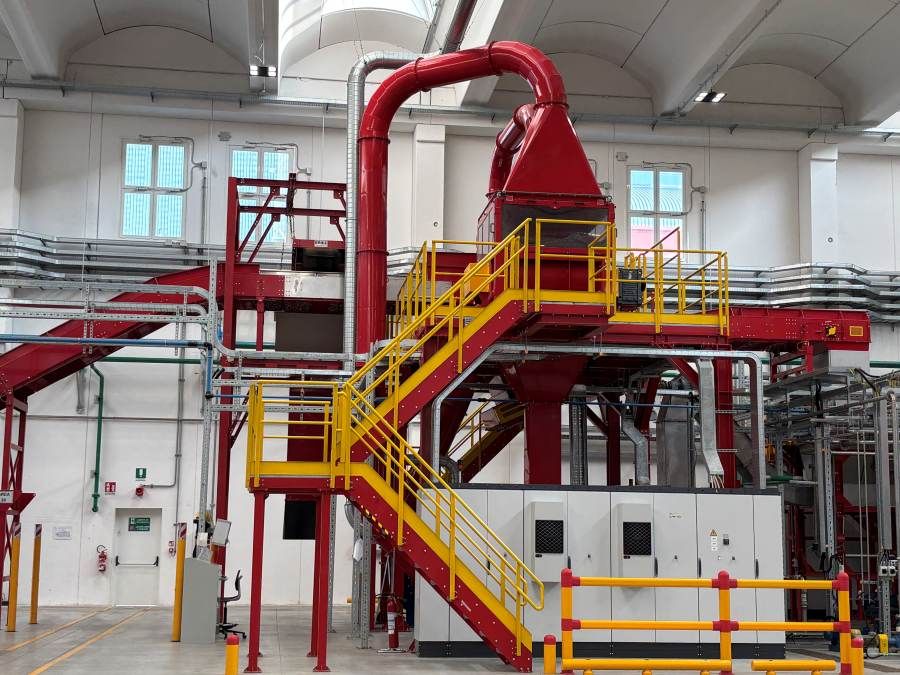
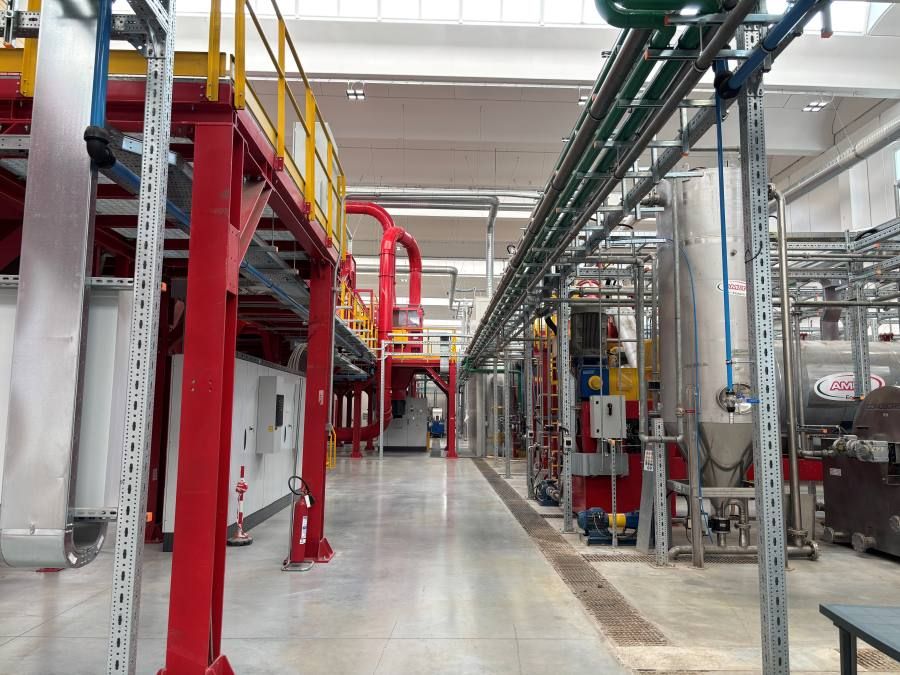
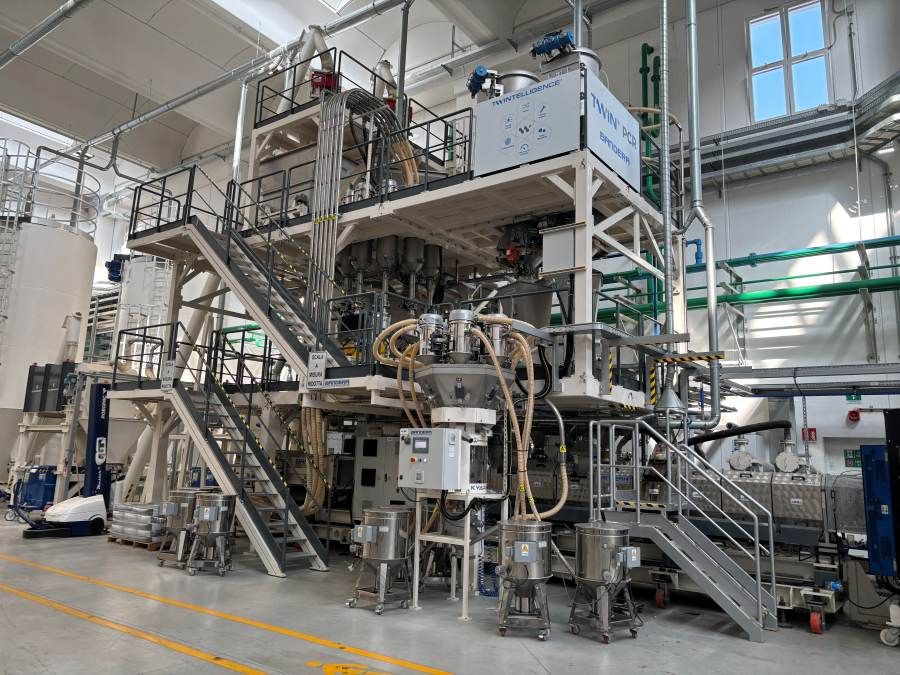
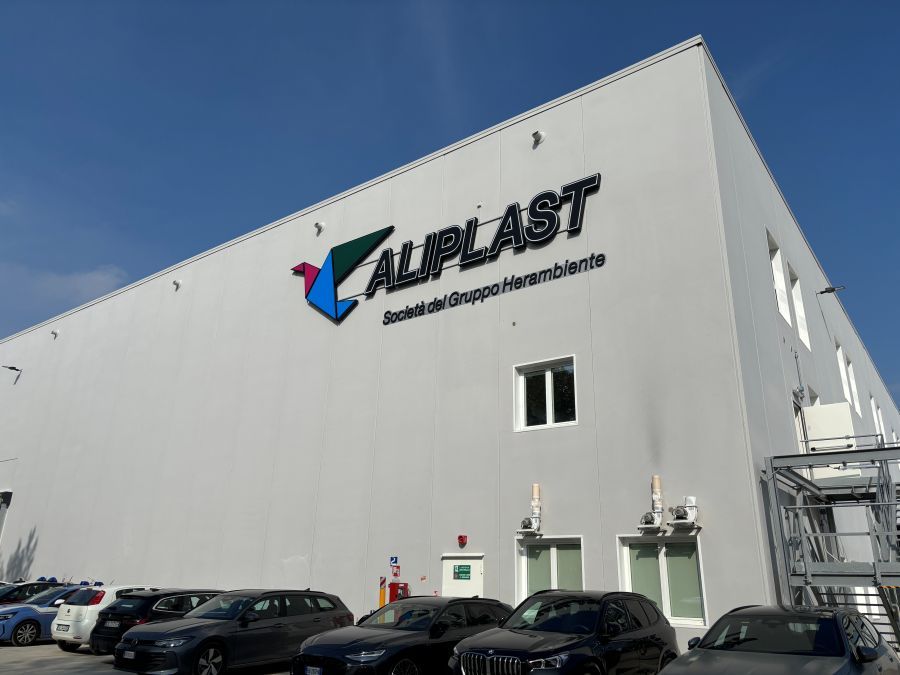
Located at the Hera Group industrial hub in Modena, the R3GID (Recover Recycle Regenerate Plastic) facility represents one of Europe's most advanced infrastructures for the recovery and upcycling of rigid plastics. The result of an overall investment of €48.8 million (including €7.7 million funded through PNRR funds), the plant is designed to convert up to 30,000 tonnes per year of post-consumer and industrial rigid polymer waste into certified Secondary Raw Materials (SRM) with high purity (>99%), featuring mechanical and chemical-physical properties comparable to virgin fossil-based plastic.
The plant serves as an engineering and strategic response to the evolution of EU regulatory frameworks, notably the PPWR (Packaging and Packaging Waste Regulation) and ELV (End of Life Vehicles) directives, which mandate strict minimum recycled content quotas in the packaging and automotive sectors.
Input Material Sources
The rigid plastic processed at the Modena plant originates from both municipal urban waste and industrial waste streams:
- Urban / Post-Consumer Circuit: Sourced through supply-chain consortia and private companies from primary and secondary sorting centers, consisting of post-consumer items such as bottles, plastic components of small household appliances, and non-packaging containers.
- Industrial Circuit: Direct industrial supply comprising pallets, crates, automotive components (such as fuel tanks and bumpers), IT supports, furniture, and personal care sector scrap.
Two Dedicated Processing Lines
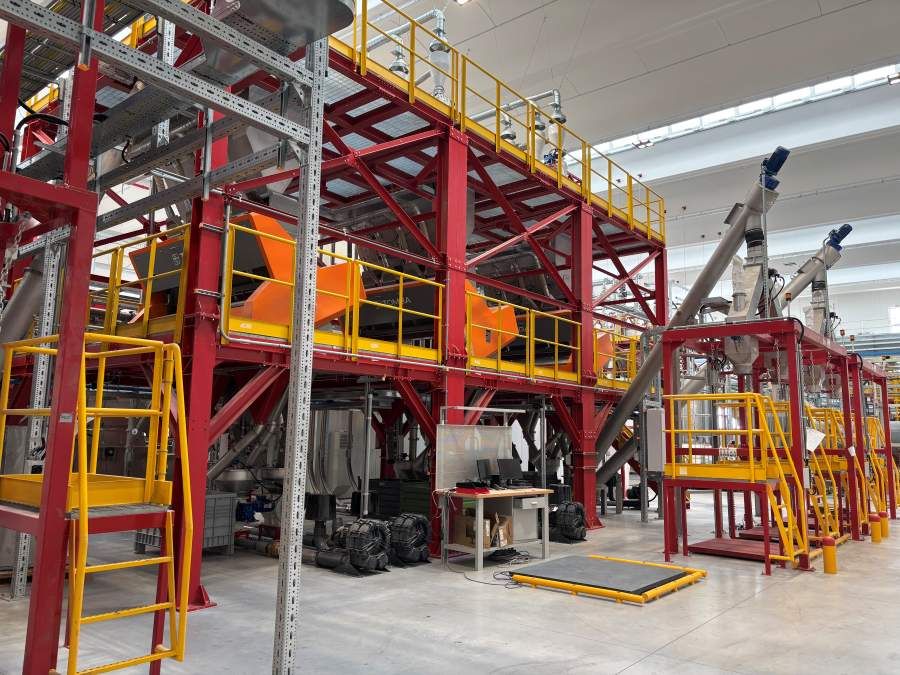
Upon arrival in the storage area, incoming materials are sampled and routed to two split, dedicated technological lines, engineered to optimize yield based on contaminant load and polymer complexity:
- Homogeneous Line: Reserved for monostructural industrial scrap (single polymer and single dominant color) with an insignificant percentage of foreign material.
- Heterogeneous Line: Developed for complex, mixed post-consumer and industrial waste, typically consisting of 50% High-Density Polyethylene (HDPE) and 50% Polypropylene (PP), alongside foreign materials (inerts, dry organics, wood, paper, and metallic components).
Mechanical Pre-Treatment and Contaminant Removal
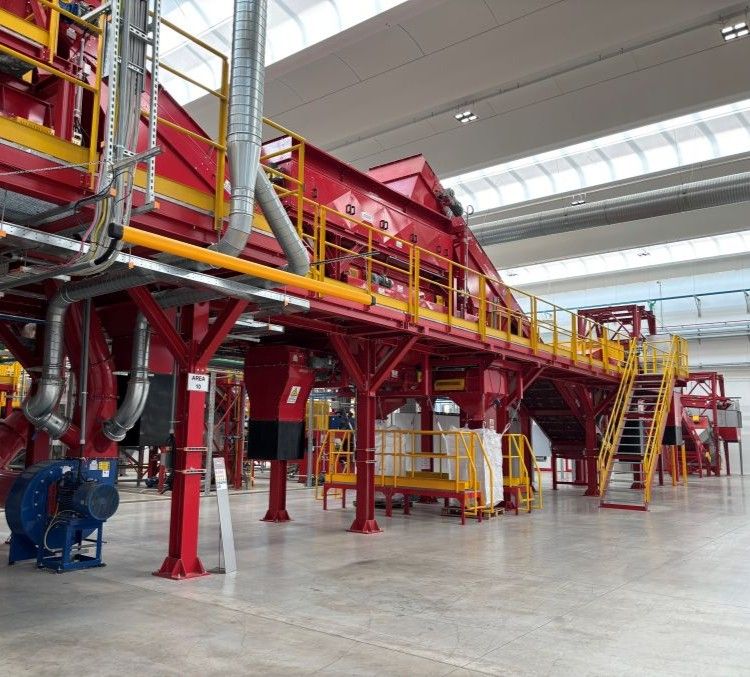
Each line begins with a size-reduction section featuring two coordinated primary shredders, calibrated to break down bulky waste into intermediate sizes suitable for subsequent physical separation stages.
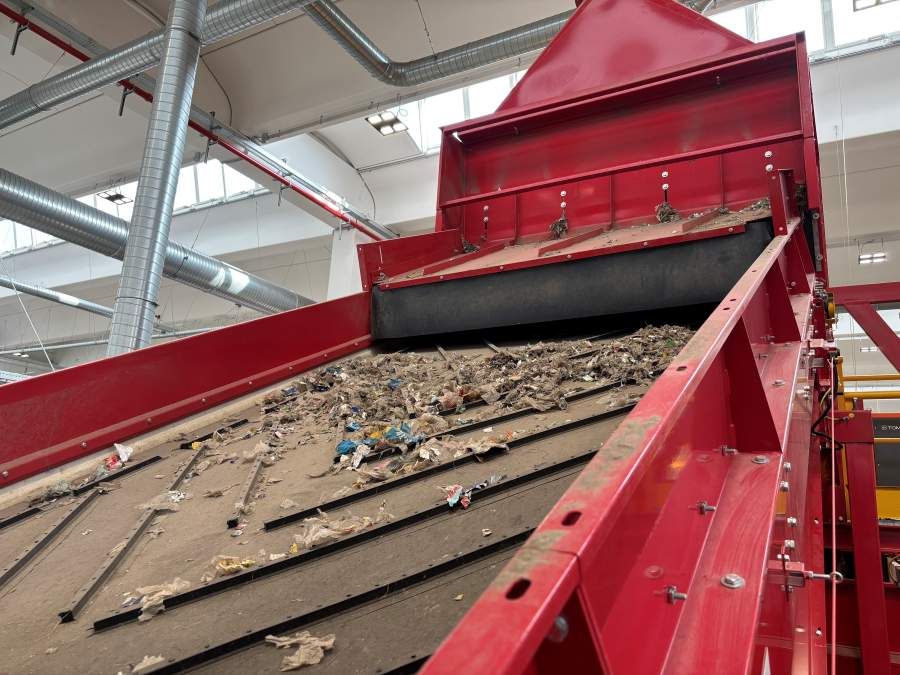
Non-polymeric contaminants are eliminated through an automated sequence of dedicated technologies designed to remove ferrous metals, non-ferrous metals (such as aluminum), and to extract/recover ultra-light fractions (films and dust) carried by the flow.
The Homogeneous Line: Wet Milling and Washing
The homogeneous line maximizes yield through a streamlined layout:
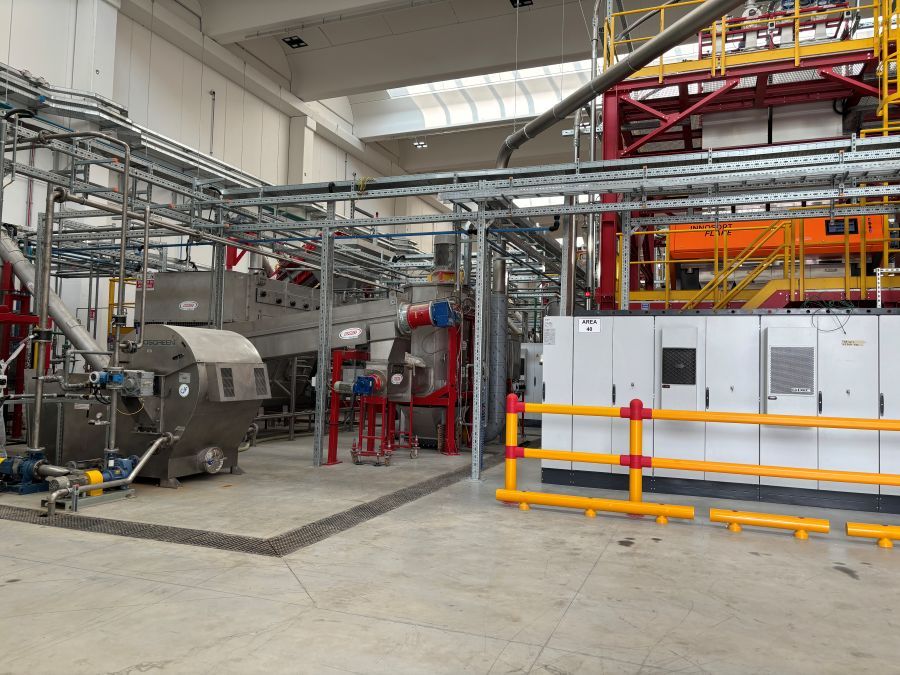
- Pre-washing: Material enters a primary maceration tank to soften and dissolve surface organic sludge.
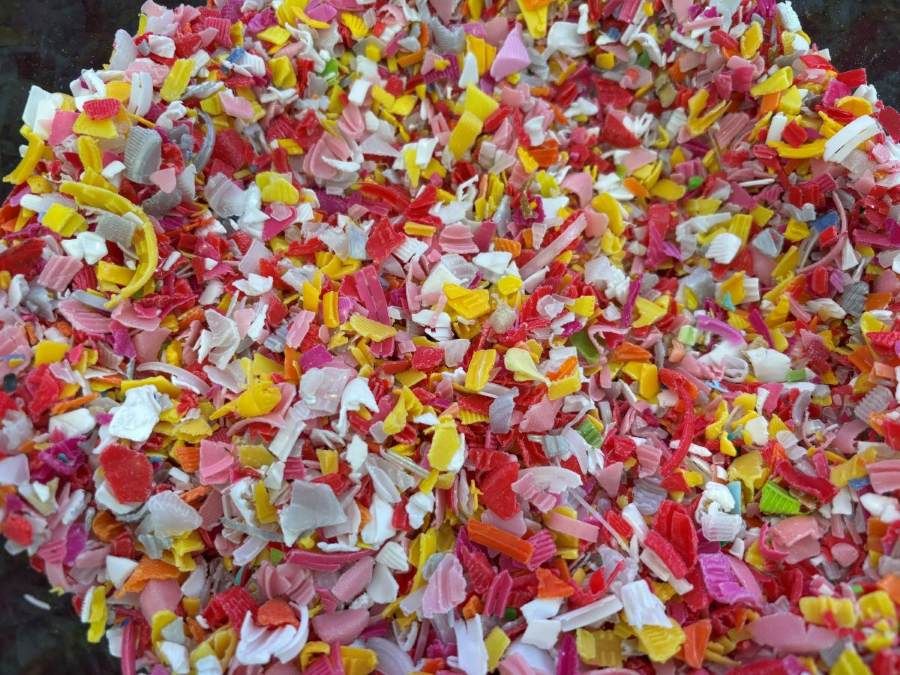
- Wet Granulation (Mill): The aqueous emulsion and rigid fragments feed a blade mill that reduces plastic into uniform flakes (flakes) averaging ~1 cm² in size.
- Three-Stage Washing and Densimetric Flotation: Flakes undergo three consecutive dynamic washing stages with controlled soda and detergent dosing.
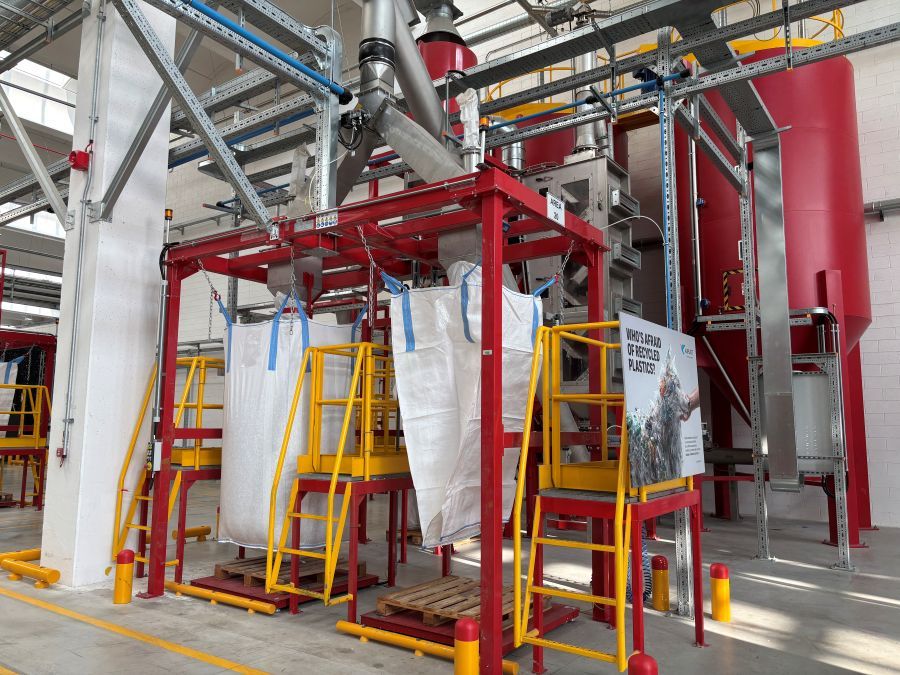
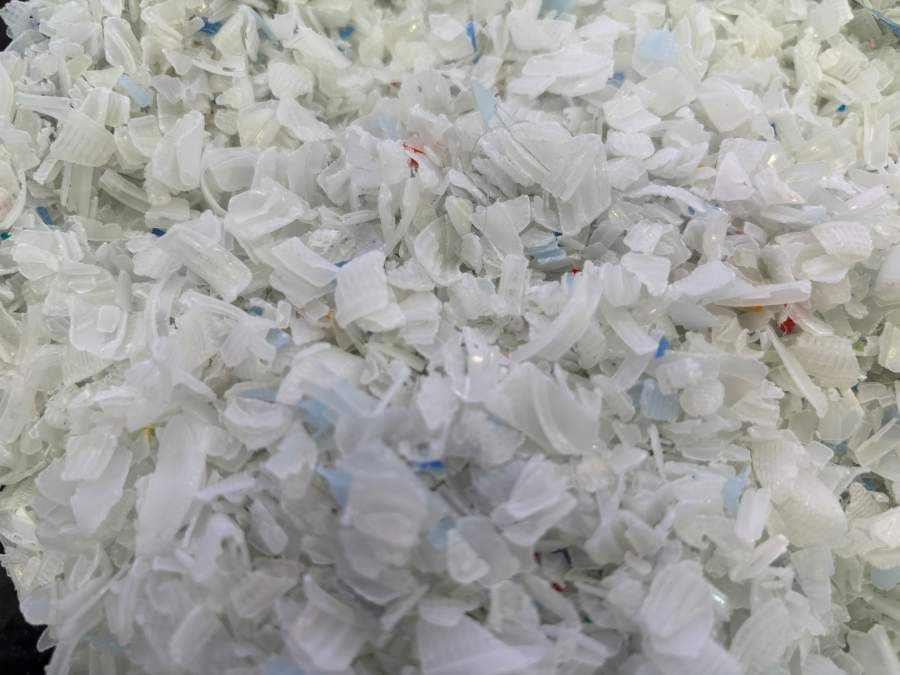
- Drying and Storage: Clean flakes are centrifuged, thermally dried, and bagged for direct extrusion.
The Heterogeneous Line: Hot Water Washing and Millimetric Optical Sorting
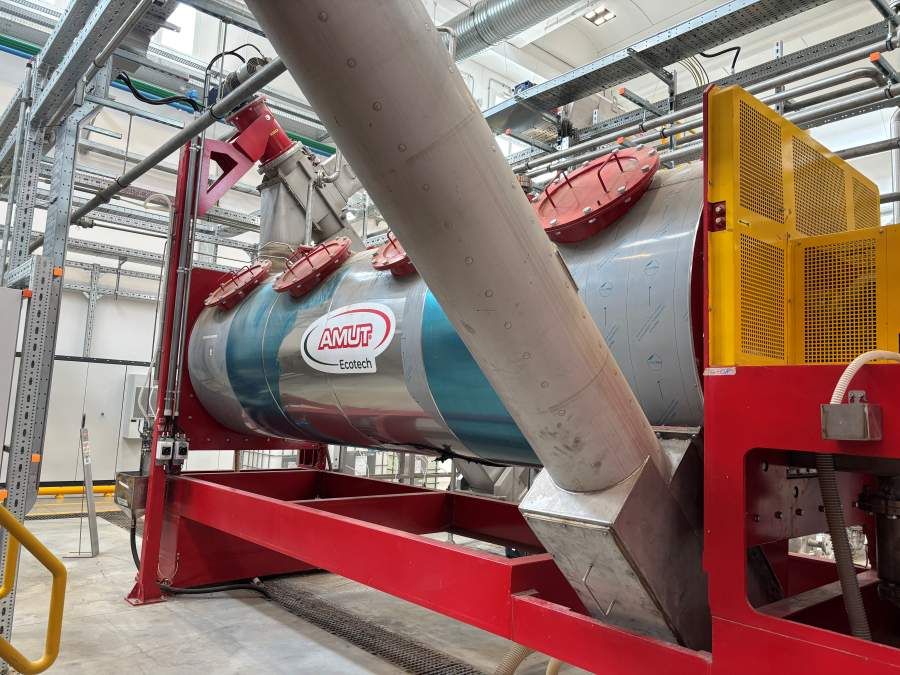
Developed in technological partnership with AMUT and integrated with NEXTCHEM's NX Replast™ technology, the Heterogeneous Line is configured to handle plastic streams with high chemical and chromatic variability.
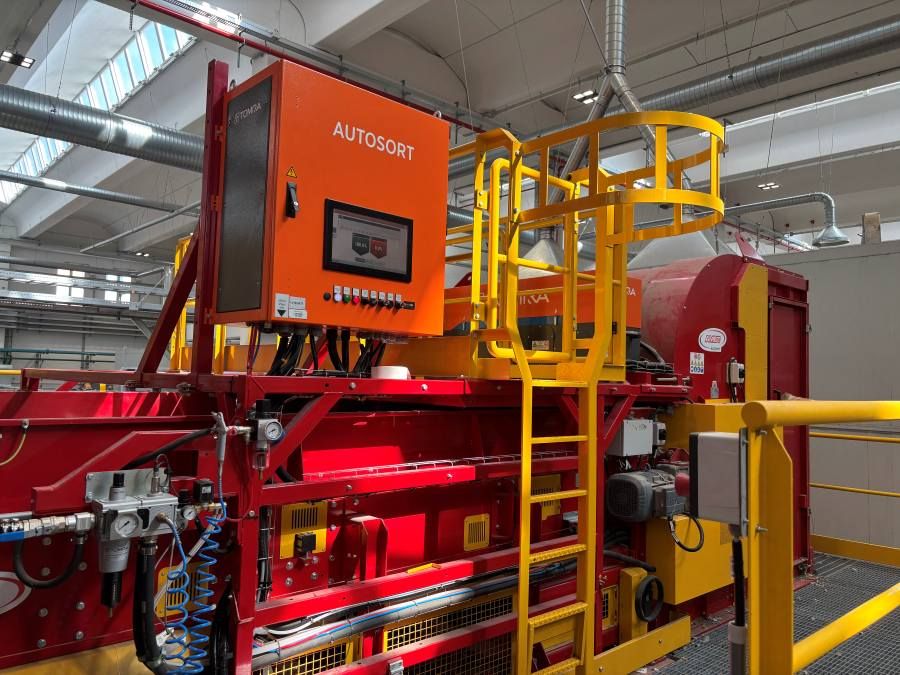
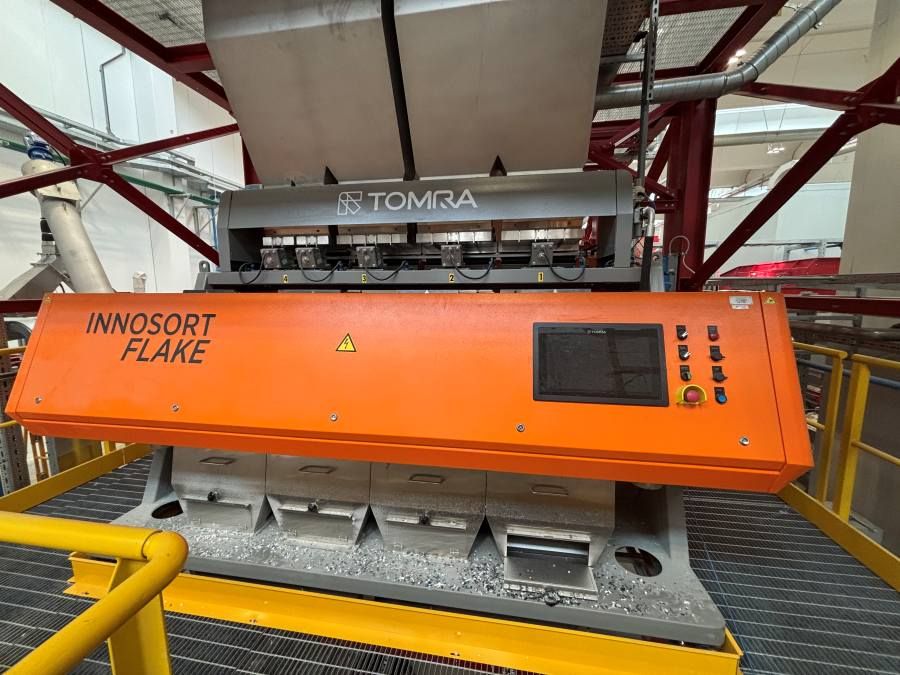
- Primary Optical Sorting (Bottle Sorter): Before milling, a volumetric optical sorter (bottle sorter) intercepts large contaminants and separates carbon-black loaded polymers (blacks). Black materials are isolated and processed in dedicated cycles to preserve the chromatic spectrum of flakes intended for high-value upcycling.
- Extrusion Department: Flakes selected by polymer and color are transferred to the extrusion department.
Circular Economy on a Single Site and Environmental Impact
The plant operates continuously 24/7 (approx. 7,000–7,500 hours/year). The facility's design includes provision for Phase 2, which will see the installation of a second twin-screw extruder of equal capacity to double the compounding line and run polymer-dedicated campaigns.
R3GID is located within the Hera Group industrial hub on Via Cavazza in Modena, where a waste-to-energy plant and a wastewater treatment plant already operate. This synergy creates a virtuous circle:
- Water Integration: Water discharged from the depurator feeds the rigid plastic recycling process and is subsequently returned to the wastewater treatment plant.
- Energy Integration: Electricity generated by the waste-to-energy plant powers the recycling lines.
This integration reduces energy costs—which previously represented about 30% of production costs (excluding raw materials) in Italian recycling—and avoids approximately 30,000 tonnes of CO2 equivalent per year compared to virgin plastic production for the same output cycle.

FOTOALBUM
NEWS