Textile recycling engineering for over 96% recovery
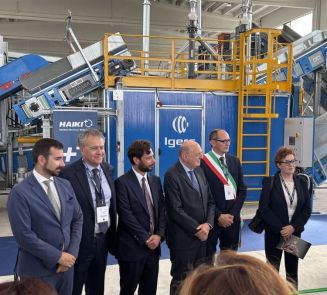
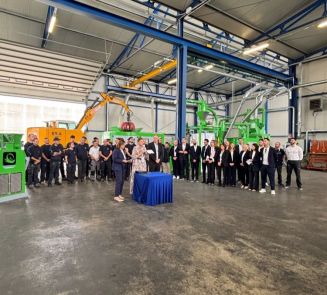
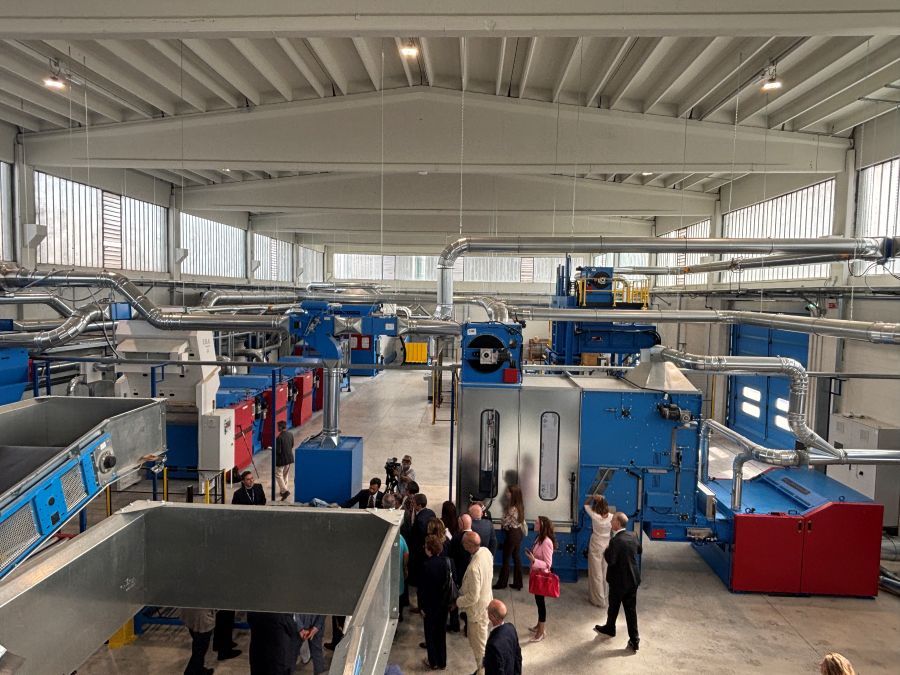
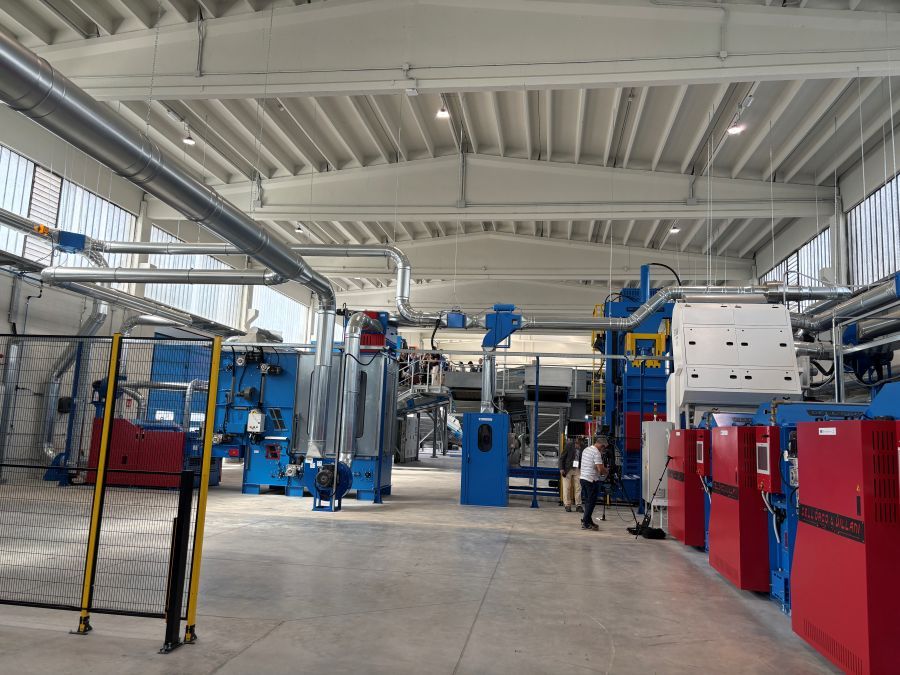
Inaugurated in San Pietro Mosezzo (Novara), the new industrial hub developed by IGERS S.r.l. and Haiki+ S.p.A. represents one of the most advanced facilities in Europe for processing and upcycling post-consumer textile waste, industrial scraps, and unsold deadstock.
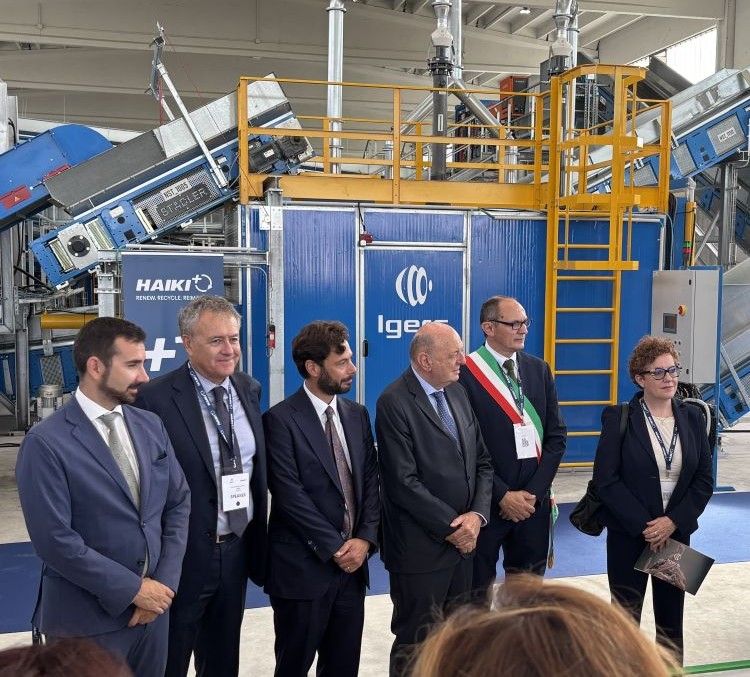
With an authorized capacity of 19,000 tons per year and an investment of approximately 8 million euros (including 1.3 million euros co-financed through PNRR funds), the facility guarantees a material recovery rate exceeding 96%.
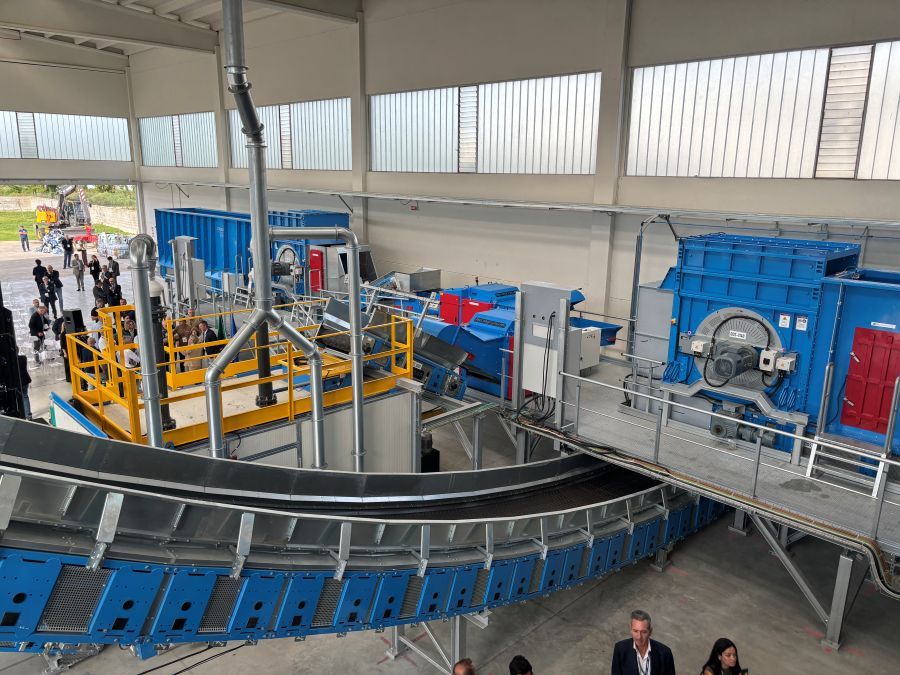
An internationally patented process allows used or unsold garments to be transformed into new fibers ready for spinning, or into non-woven fabrics (TNT) intended for multiple applications, including construction, interior design, automotive, and the medical sector. IGERS operates as a fully integrated industrial hub for textile recycling, concentrating the entire upcycling process within a single facility: from waste collection to the packaging of new raw materials for shipment. The plant is fully automated and features 56 interconnected machines and sub-machines, whose coordinated operation and material movement along the line are governed autonomously by proprietary software. To guarantee complete transparency, every single operational stage is tracked and registered on blockchain technology in connection with the machine that executed it, providing certified documentary evidence supporting the entire recovery process.
Stadler Process Engineering: Stable, Homogeneous Transport and Machine Integration
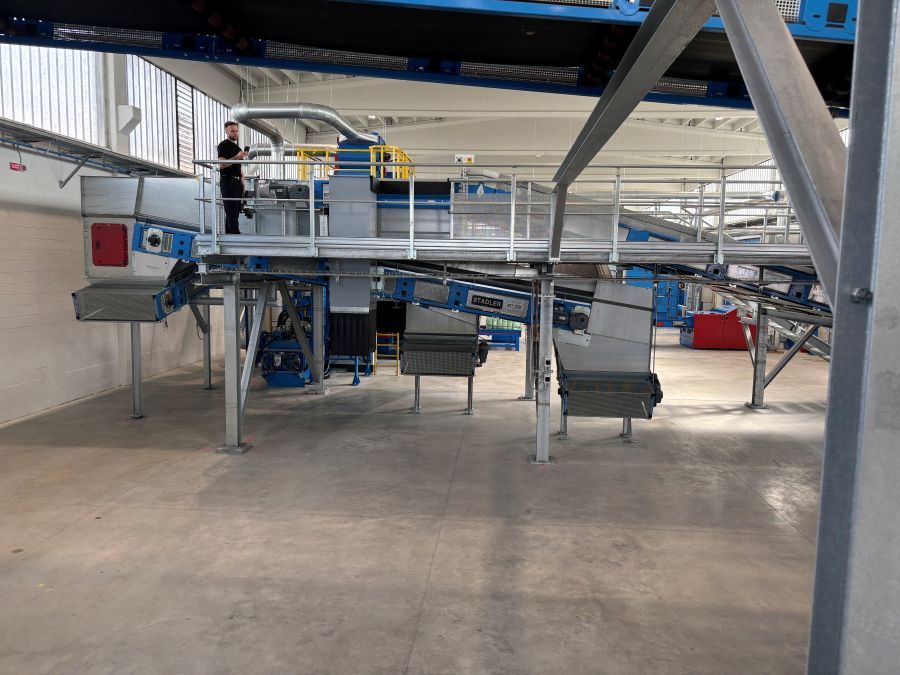
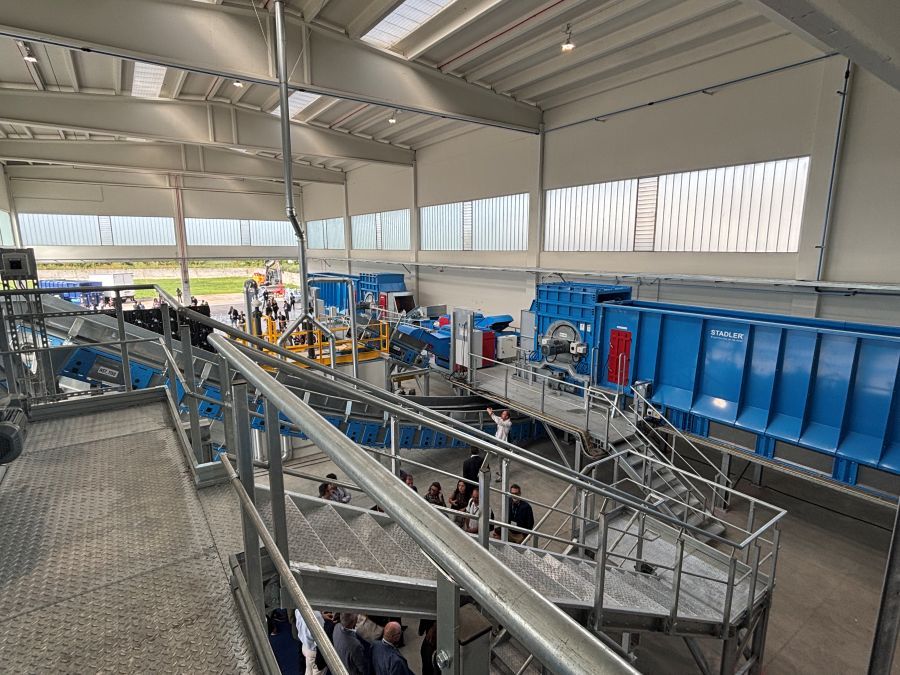
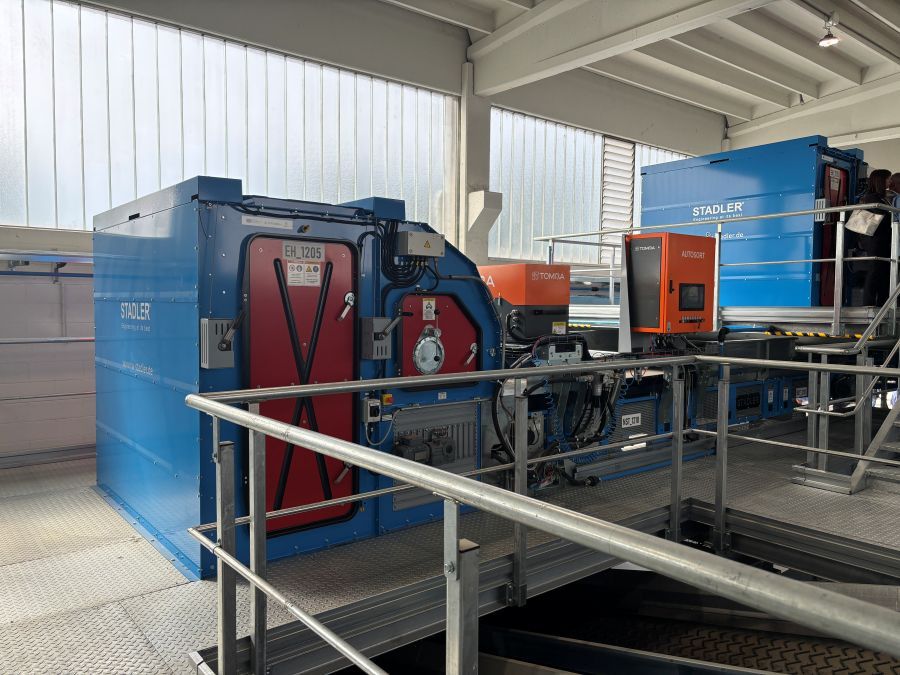
The initial section of the plant was engineered by Stadler and is designed to manage the incoming flow with a capacity of at least 4 tons per hour, representing the first fully automated plant on this scale in Italy. As explained by Matteo Zaninelli, Project Manager at Stadler, this first section performs the key task of distributing and preparing the material homogeneously prior to optical sorting.
The initial process consists of the following technical stages:
- Initial Dosing: Heterogeneous material (in big bags or bulk) is loaded into the initial feeder, which regulates the flow rate by continuously feeding the line.
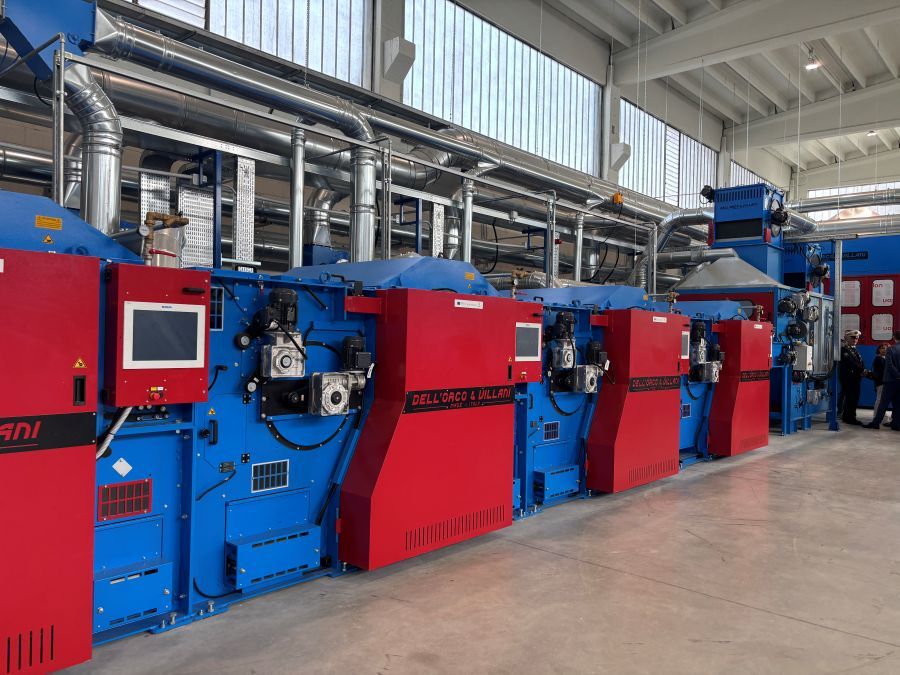
- Orthogonal Cutting: Two cutters (Dell'Orco Villani, integrated into the Stadler section) reduce the size of the fabrics by cutting them in two orthogonal directions with a 90° change of direction, shredding the material into regular pieces of 2–3 cm. This operation is essential to allow the subsequent optical lenses to analyze the molecular composition of the garments without requiring manual sorting.
- Ozone Sanitization: The fabric scraps pass through an ozone chamber equipped with moving screens where the bacterial load is reduced, enabling the material to fulfill the requirements for End of Waste status.
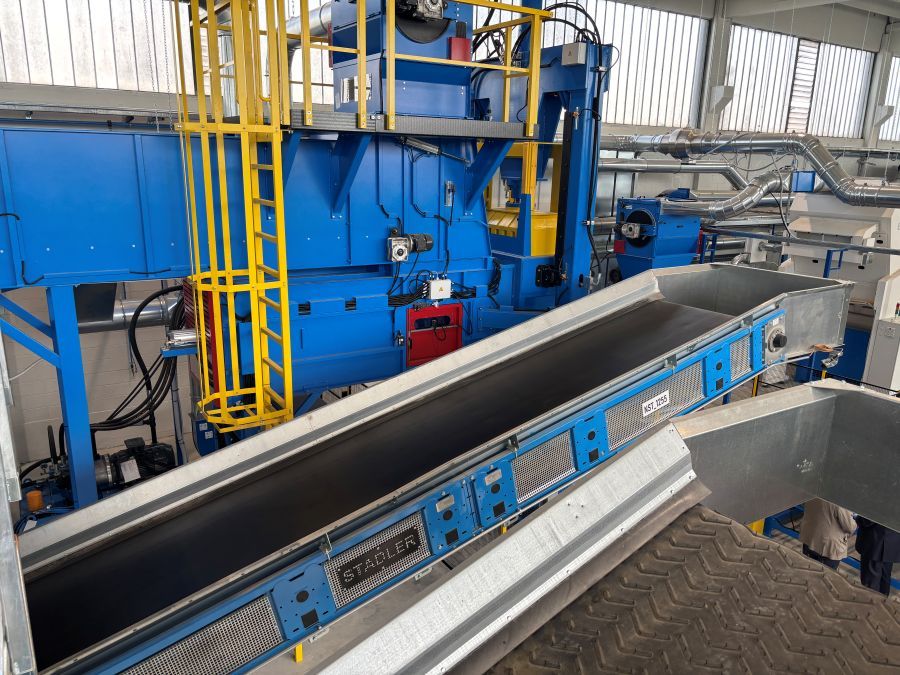
- Pneumatic & Mechanical Acceleration: The sanitized scraps are transported to the optical sorters via variable-speed conveyor belts to achieve the optimal distribution required for optical scanning. The mechanical equipment servicing the optical sorters consists of 2-meter-wide accelerator belts, and the output products from the two selection steps can be recirculated or sent to multiple final destinations, such as the subsequent pressing and shredding plant or storage containers.
The high level of automation designed by Stadler allows the line to be operated with the assistance of only two operators (one responsible for loading and one for managing finished products via forklift), eliminating the need for manual sorting on the belts.
Tomra Optical Sorters: Artificial Intelligence for Fiber Classification
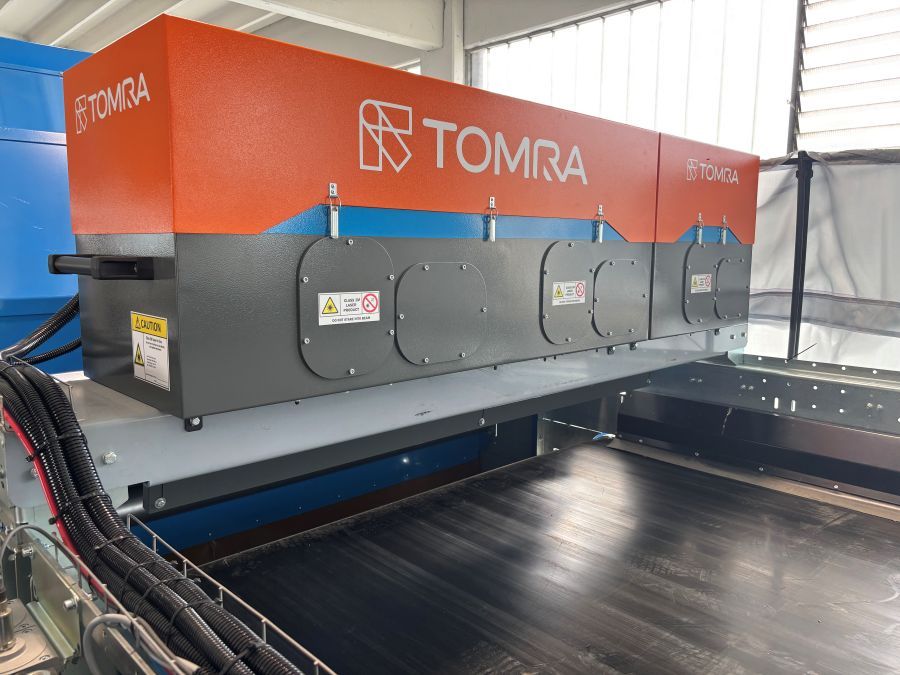
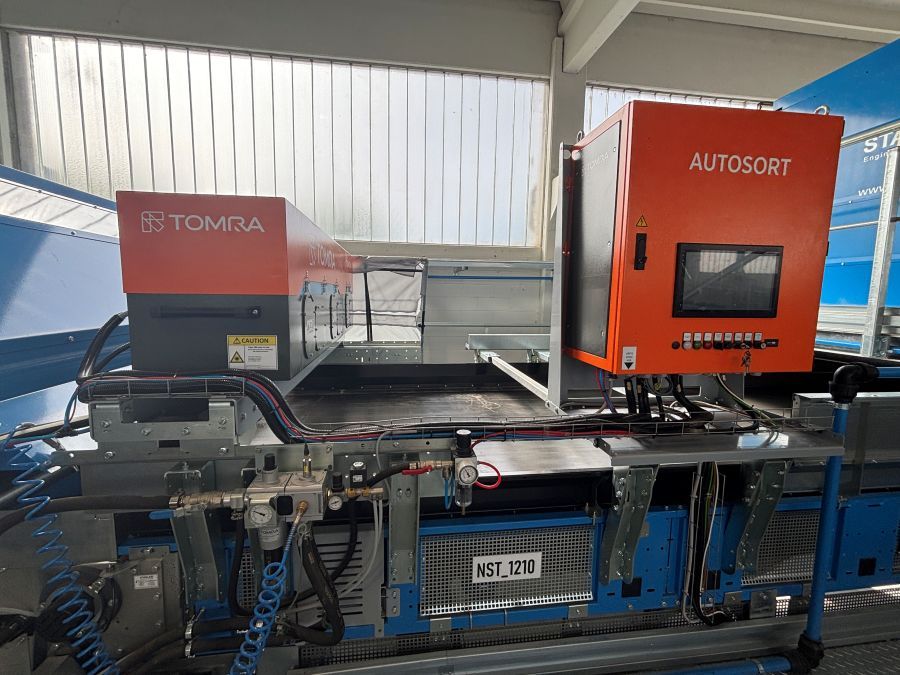
The core of the automatic sorting system is entrusted to two Tomra Autosort optical sorters equipped with NIR (near-infrared) technology. The system is the result of a five-year development program dedicated to creating a specific spectral database for the textile sector.
The technological components of the Tomra sorting system include:
- Spectral Analysis: Emission of light pulses that vibrate the molecules of the fabrics, identifying both pure fibers (100% cotton, wool, polyester, silk, cashmere) and complex blends (e.g., poly-cottons with percentages of elastane or nylon).
- Laser Color and Structure Detection: An integrated laser system detects the precise color of the pieces (including black garments), while dedicated cameras analyze fabric weight (grammage) and textile structure.
- Pneumatic Separation: Real-time recognition triggers compressed air jets inside ballistic chambers. To prevent turbulence caused by the lightweight nature of textiles, dedicated compressors regulate the dew point, providing the correct humid mass to drop the target pieces into collection containers or onto the cleaning recirculation loop.
Bonfiglioli Drives, Automation, and Baling
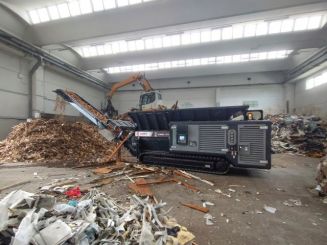
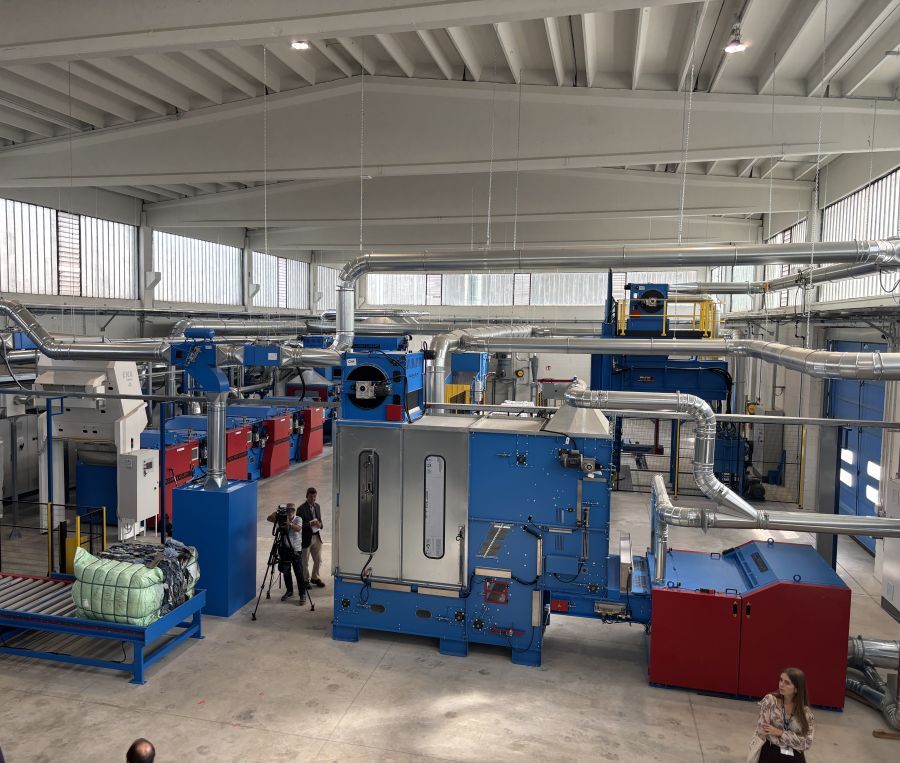
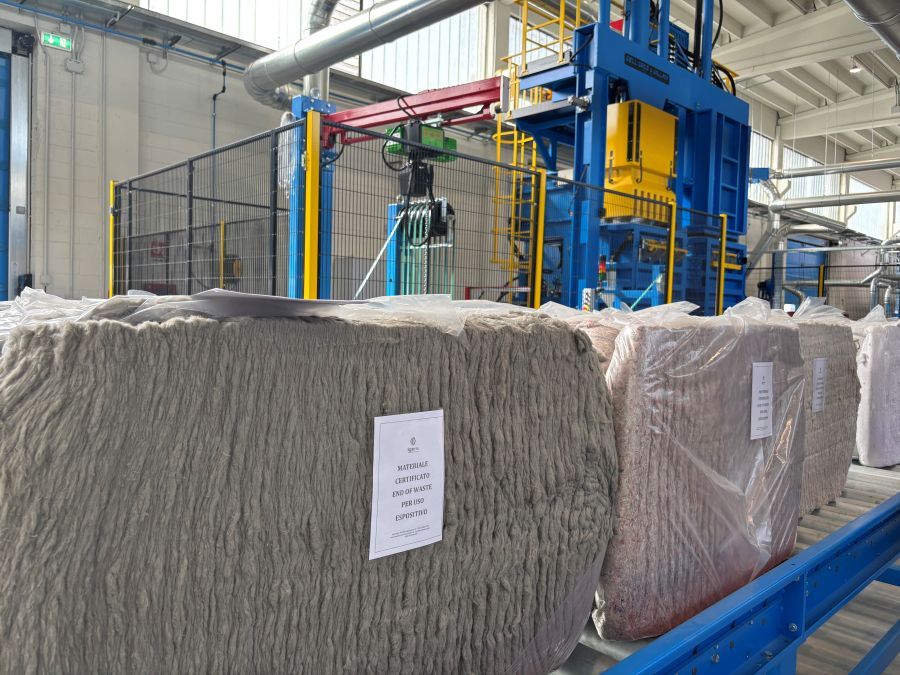
Once sorted and cleaned, the fabrics are transported via powerful pneumatic conveyor systems (7,000 m³/h) to the Dell'Orco Villani mechanical tearing section. Here, progressive spiked drums (up to over 120,000 spikes for cotton) open the fiber and remove rigid accessories such as zippers, buttons, and elastic bands, prior to passing through carding and pressing into bales weighing from 250 to 550 kg.
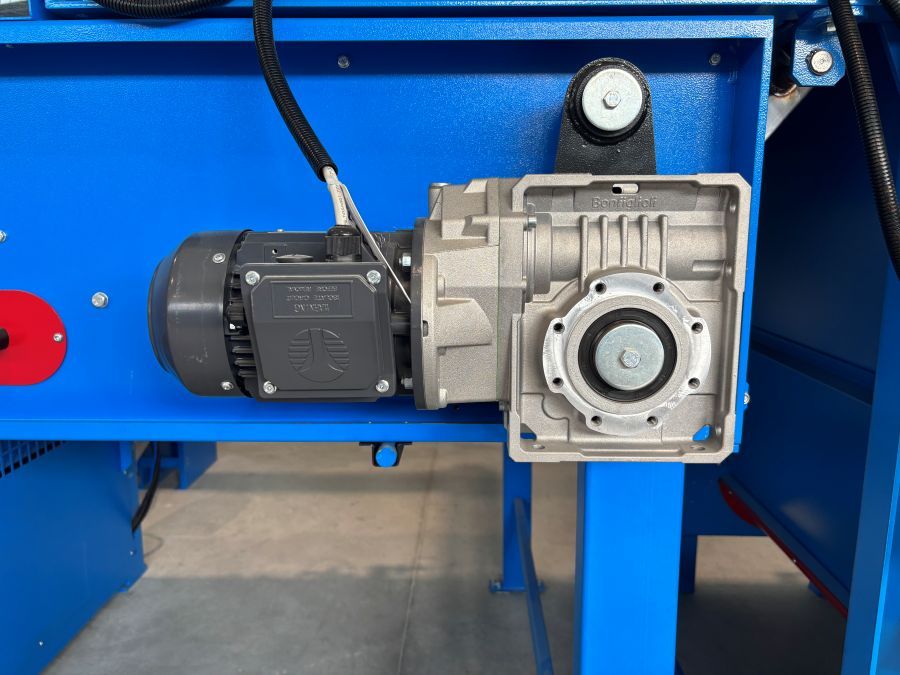
The high mechanical complexity of the plant — characterized by a continuous flow of conveyor belts, screens, feeders, and advancement systems — requires reliable drive systems resistant to high environmental stress related to the presence of textile dust. Among the technological partners involved in building the plant is Bonfiglioli, which participated in supplying equipment by providing its VF/W series worm gearmotors. These components ensure the necessary adjustment precision, low noise level, and efficiency in driving the belts and handling modules along the entire processing line.
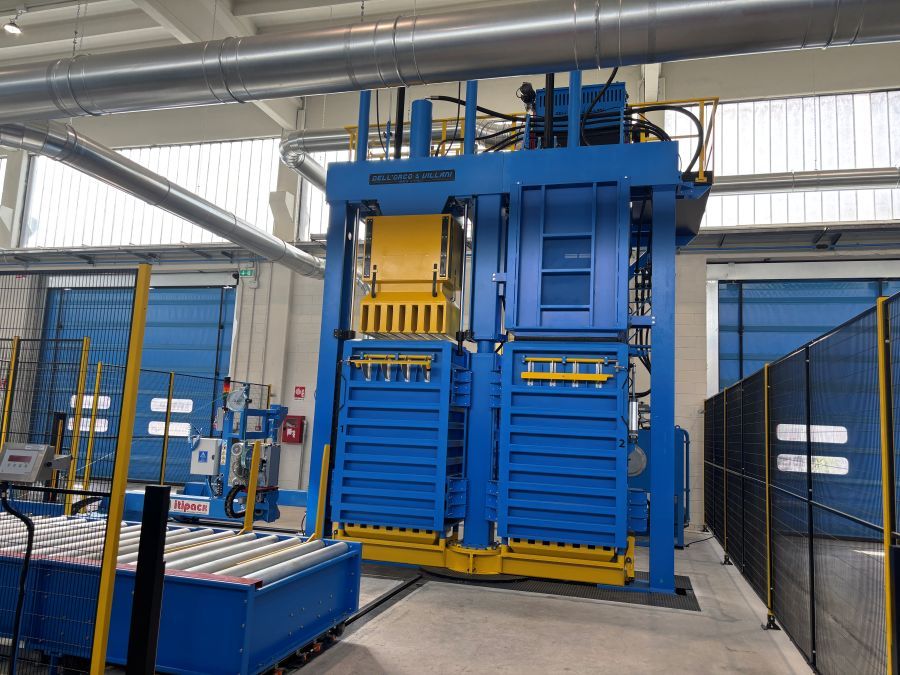
Finally, the material is conveyed to smart presses, which automatically handle bale formation, weighing, and labeling. This yields identified and traceable batches, ready to be shipped to manufacturing industries for use. The integration of the entire cycle combines automation, quality control, and traceability, converting textile waste into secondary raw materials destined for new productive uses.

FOTOALBUM
NEWS