SaMoTer 2026: numbers from an extremely positive edition and a focus on the market
The next edition of the triennial international construction equipment exhibition is scheduled for May 9-12, 2029, in Verona.
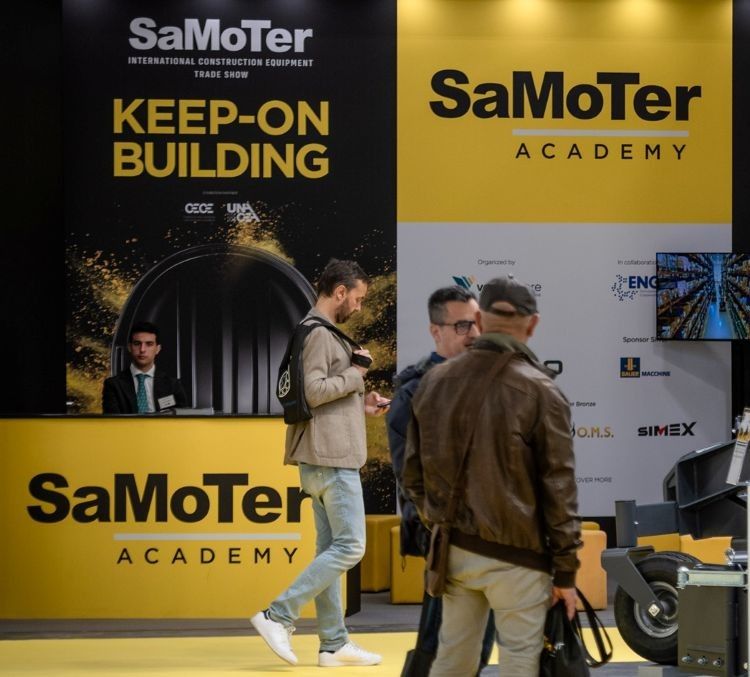
The 32nd edition of SaMoTer, the international construction equipment exhibition in Verona, concluded with an extremely positive outcome. Despite a more concentrated four-day format, the event attracted 42,000 professional operators from 78 countries, exceeding the 2023 figures. The most significant figure was the surge in international attendance (+38%), confirming the fair's increasingly global focus, with 526 exhibitors spread across 52,000 square meters. The 2026 edition brought together 526 exhibitors, including 124 international exhibitors from 22 countries. All the major global construction equipment players returned to the Veronafiere pavilions, offering a full range of products: earthmoving, lifting, demolition, drilling, crushing, road machinery, quarry and construction vehicles, concrete, equipment, components, spare parts, logistics, and services.
During the four days of the trade fair, Recycling Industry met with exhibitors, receiving positive feedback regarding attendance and contact. These were days packed with press conferences dedicated to new developments, which we will gradually present to you in these pages of the magazine. Last but not least, it's worth noting that SaMoTer also served as a showcase for the presentations of important conferences, such as the one on the earthmoving market, presented by CER (European Research Center) on behalf of Unacea (the Italian Construction Equipment Union), the results of which you will find below.
Italy Leads
The opening conference revealed some very positive figures: between 2019 and 2025, the Italian construction equipment market grew by 38.8%, clearly bucking the EU average, which declined by 9.4%. While giants like France (-28.3%) and Germany (-22.7%) suffered sharp declines, Italy almost doubled its volumes compared to 2017, reaching 26,000 units sold in 2025.
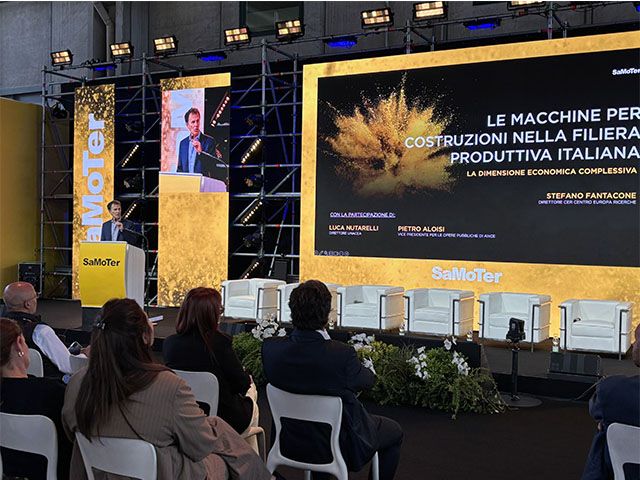
Stefano Fantacone, Research Director at CER, presented the study during the conference "Construction Equipment and Italian Production Chains: The Overall Economic Dimension." He emphasized that the sector represents a highly specialized industrial segment, closely linked to the transformation of production processes in the construction sector and the modernization of the infrastructure system. The Italian construction equipment market will reach 26,000 units sold in 2025, nearly double the 13,500 units sold in 2017, confirming long-term structural growth. After peaking in 2022 (29,700 units), the sector is now experiencing a phase of normalization. A slight contraction to 25,500 units (-1.9%) is expected in 2026, amid a macroeconomic environment characterized by moderate GDP growth (+0.3%) and a slowdown in construction investment (-0.3%), as well as inflationary pressures linked to energy costs exceeding 20%.
In the European context, the research clearly highlights Italy's strengthening role in the construction equipment market. In 2025, the country will be the third-largest European market in terms of sales volumes, after Germany and the United Kingdom, surpassing France and consolidating a European market share of approximately 15%, a significant increase from 9.6% in 2019. This result reflects a growth trend that bucks the trend of other major countries: in the 2019-2025 period, the Italian market expanded by 38.8%, compared to a European average contraction of 9.4% and significant declines in France (-28.3%), Germany (-22.7%), and the United Kingdom (-5.8%). Italy thus confirms its position as the only major European market to have surpassed pre-Covid levels, strengthening its competitive position and assuming an increasingly central role in the sector's balance at the continental level.
The voices of the protagonists
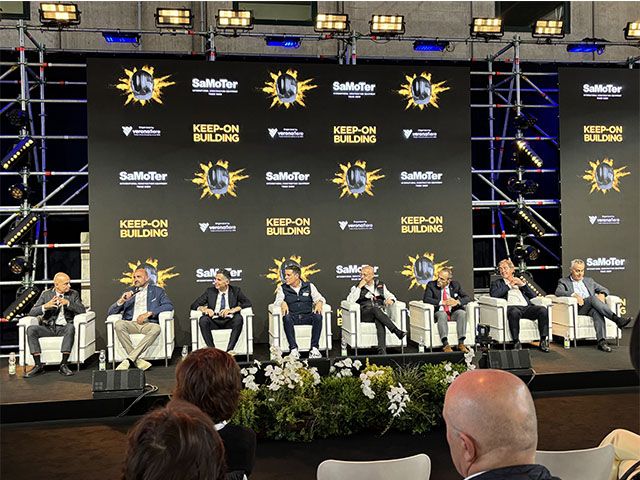
The debate among the sector's top brands has highlighted how this growth is solid, but not without obstacles.
Gianluca Calì (CGT) emphasized the inextricable link with public works: "The performance of our market is directly proportional to that of construction. The PNRR has certainly favored the growth of infrastructure projects." Calì also issued a warning regarding safety: "Lack of safety in companies today accounts for 3% of GDP... we have room to grow the market by focusing on the value of our solutions."
On the market front, Luca Evangelista (Volvo CE) urges against fearing the slight decline expected for 2026: "I never see it as a moment of crisis when the bar is lowered a little... it's a time of adjustment. Italy is achieving significant results thanks to the work done previously." Evangelista then recalled how current technology makes machines extremely comfortable: "There's technology that could make a car pale in comparison... it's less stressful to drive a new-generation wheel loader or excavator."
However, bureaucratic delays are a burden. Maurizio Tosi (Ammann Group) denounced the difficulties in installing the systems: "To install an asphalt plant, you need authorizations from different agencies that often don't communicate with each other... a customer can get one in six months or not get it in three years. This slows down the willingness to invest."
The generational issue was at the heart of Filippo Venieri's (VF Venieri) speech, where he spoke of a "new normal" marked by instability: "We must attract young people to our sector... the new operators will be young, the new customers will be young. I urge everyone to invest in those under 30." The data confirms this vitality: 37.9% of new contracts in the sector are already for people under 35.
The clouds on the horizon are mainly related to geopolitics. David Bazzi (Komatsu Italia) explained the difficulties facing manufacturers: "We are assemblers, and almost all the components come from Asia. We are experiencing major logistics problems... where before it took 3 months, now it takes 4."
Finally, Marco Ferroni (Kobelco) is optimistic about the medium term: despite a slow start to 2026 due to uncertainty over incentives, "2027 could buck the trend compared to the numbers of all other major European countries" if processes and credit support are accelerated.
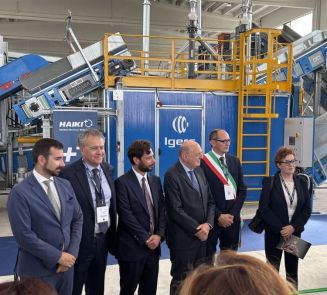
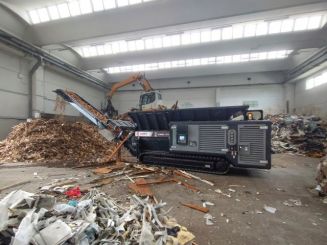
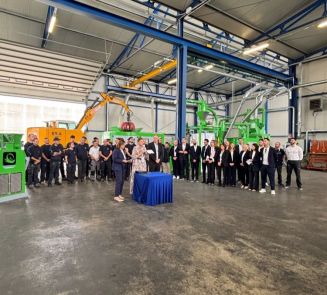
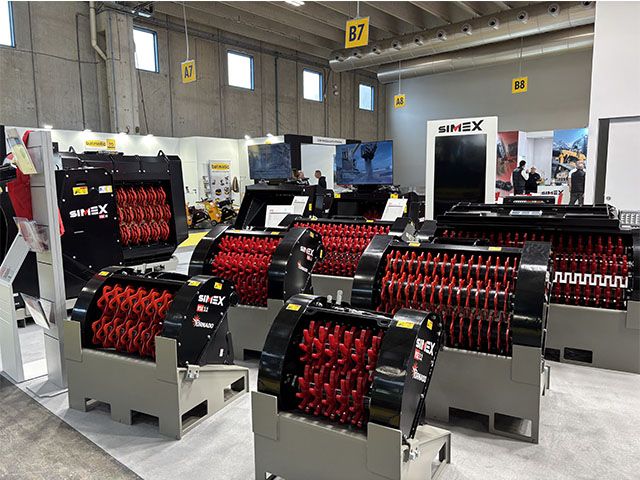
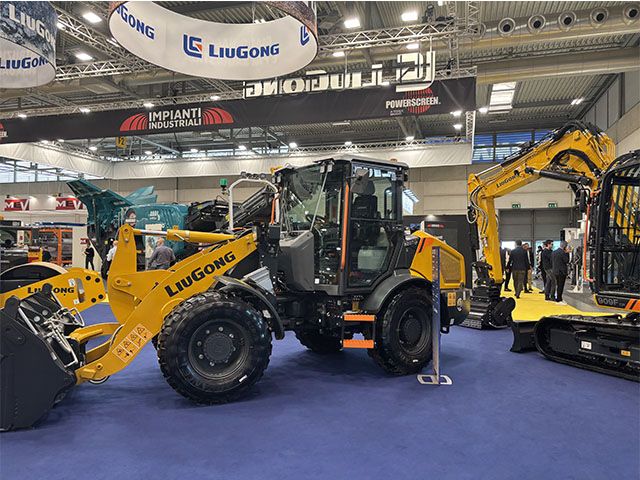
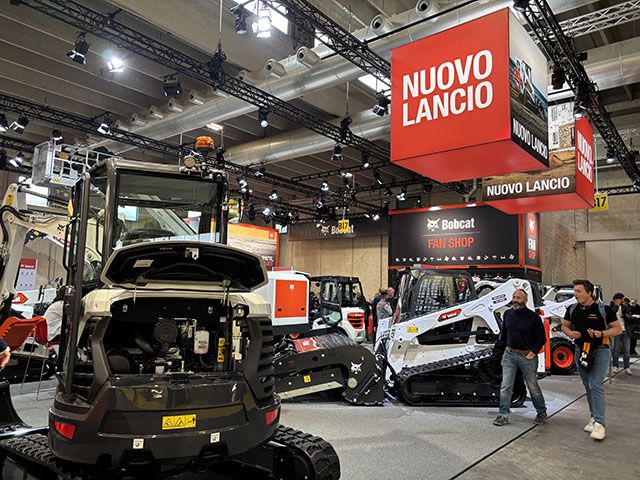
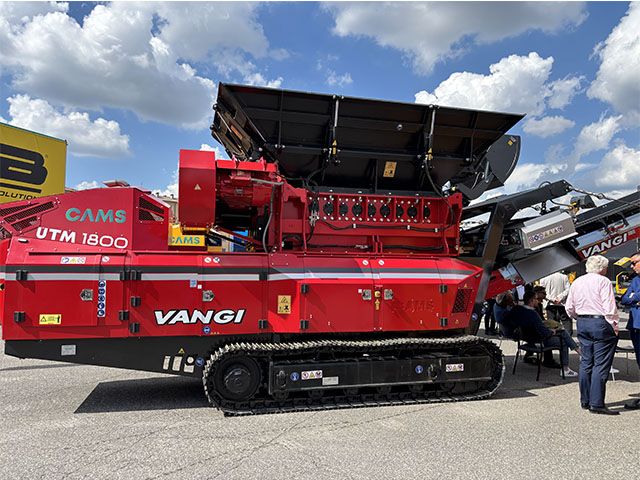
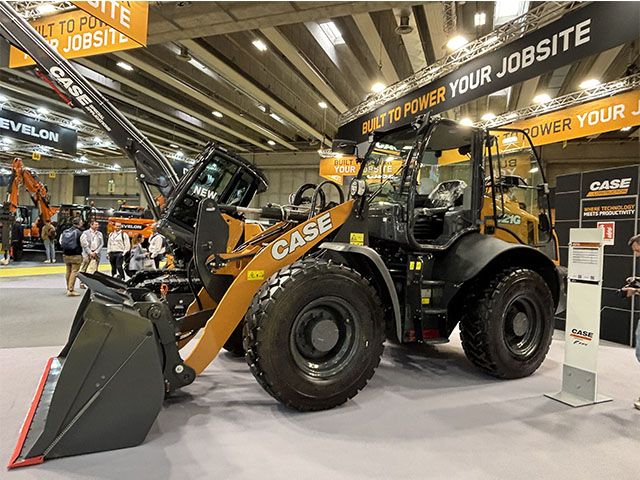
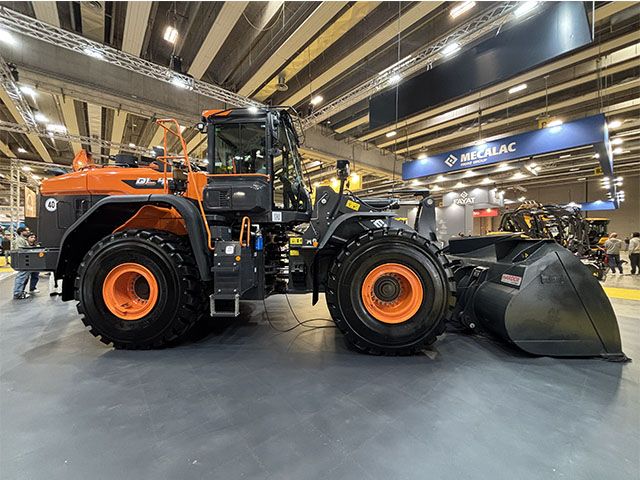
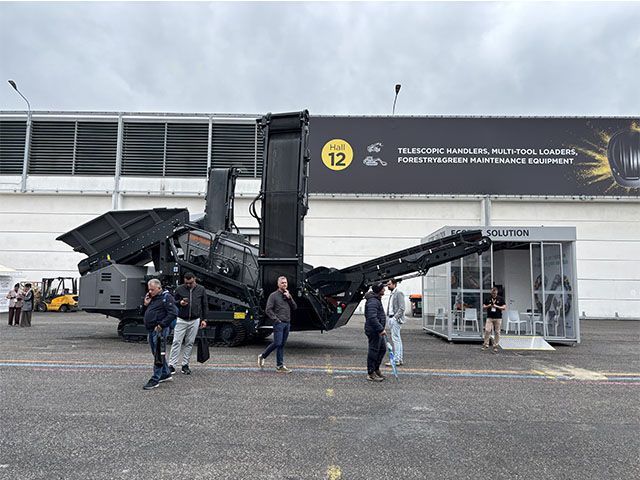
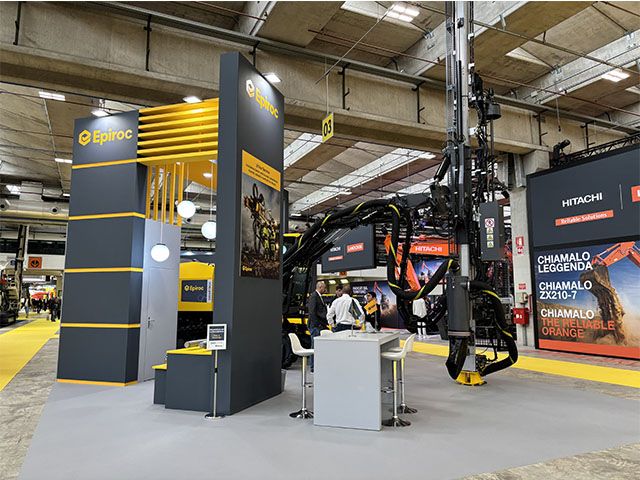
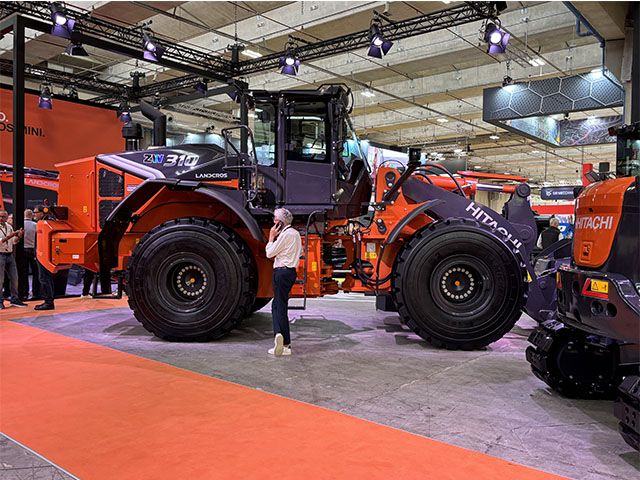
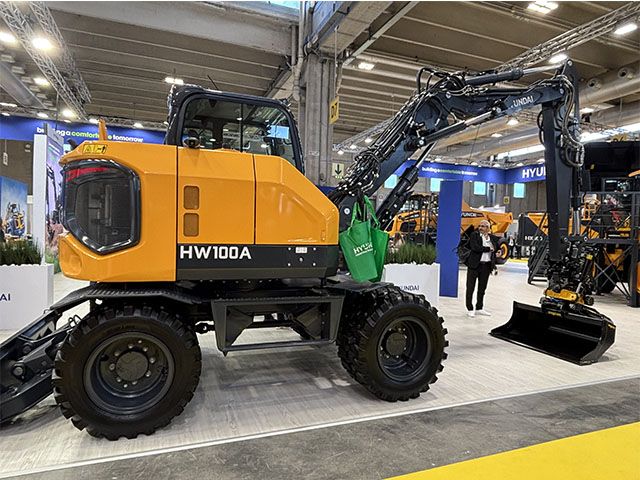
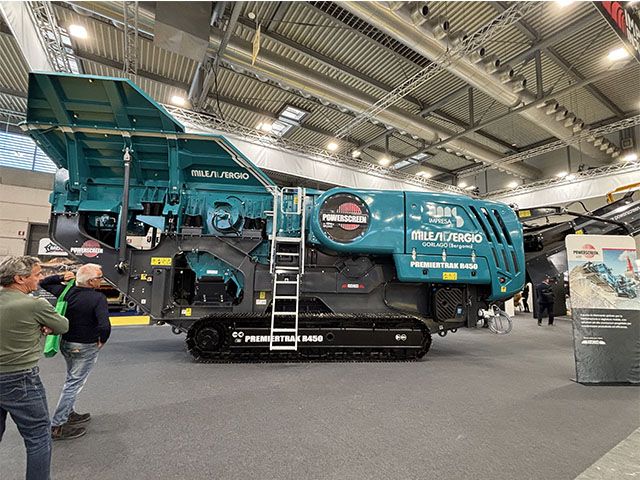
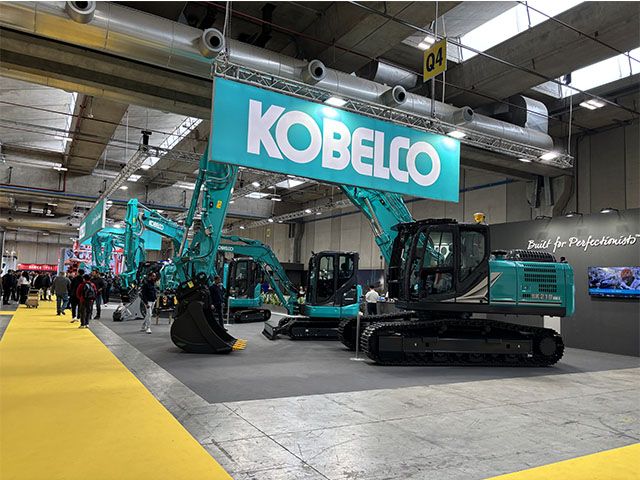
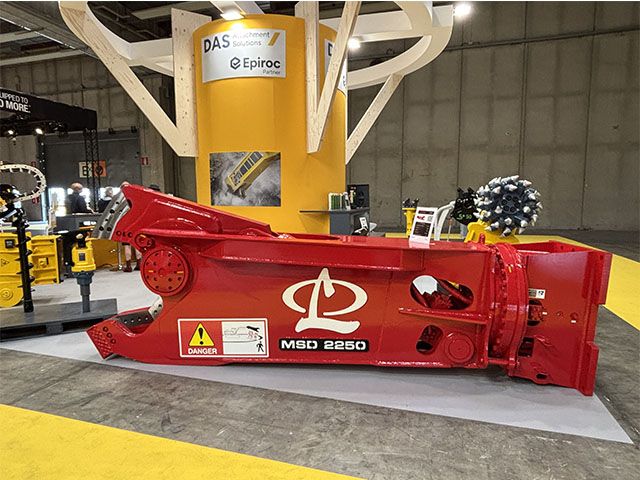
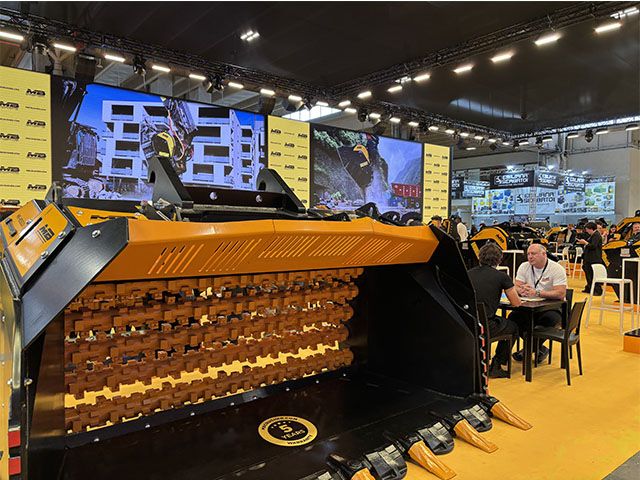
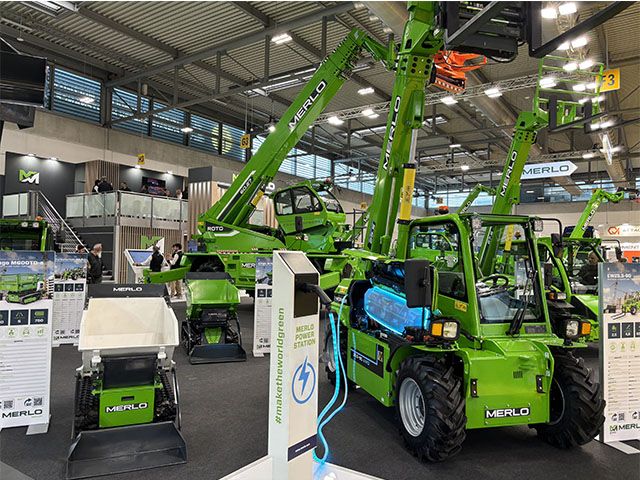
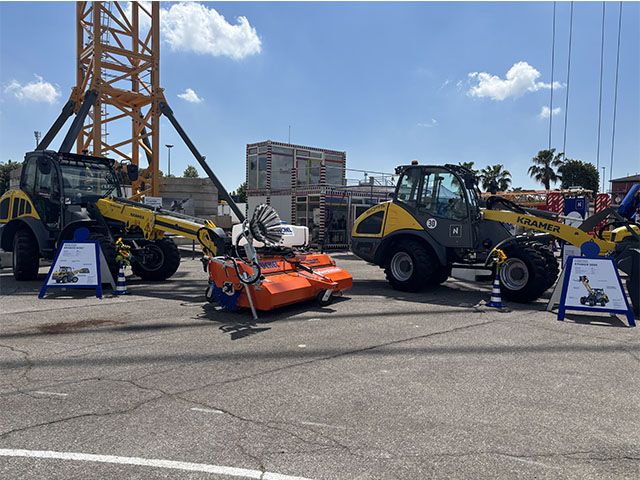
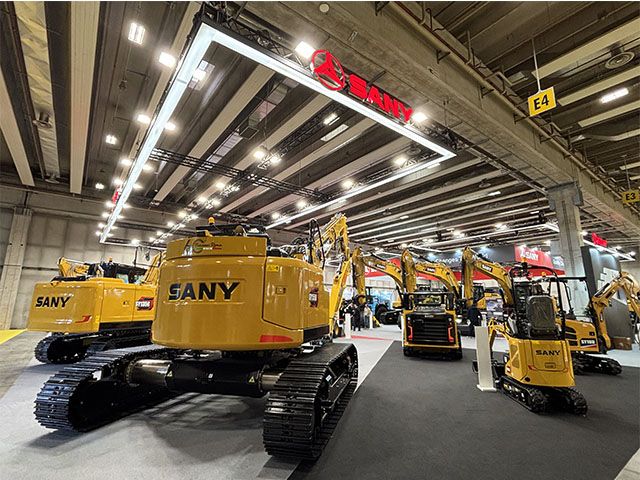
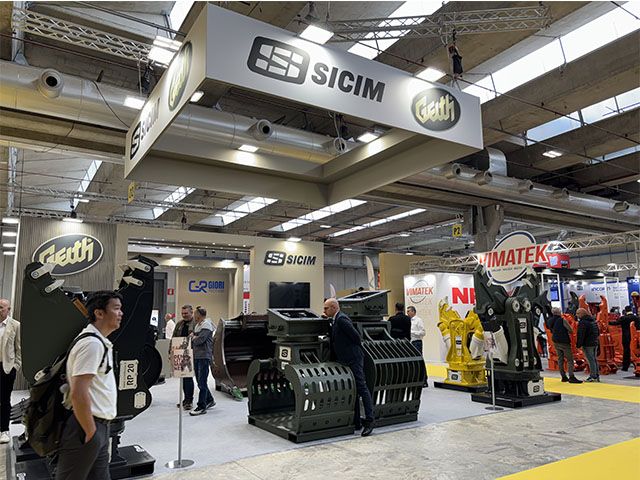
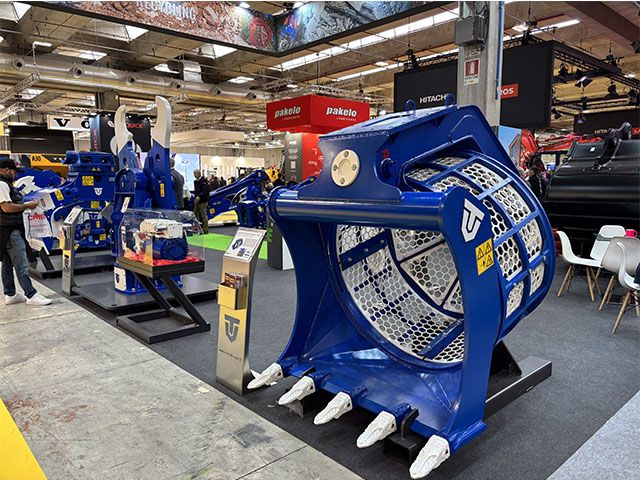
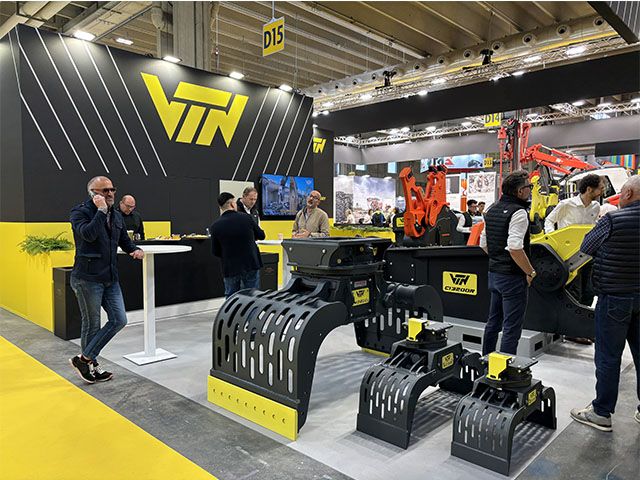
Following is a selection of photographs taken during the fair.

FOTOALBUM
NEWS