EGA and Panizzolo: Italian technology for the UAE’s largest aluminium recycling plant
Panizzolo Recycling Systems developed the UAE’s largest aluminium recycling plant for Emirates Global Aluminium, designed to process up to 185,000 tonnes of scrap annually.
Large-scale recycling is taking on an increasingly strategic role in the aluminium industry. The project developed by Panizzolo Recycling Systems for Emirates Global Aluminium is a concrete example of this transformation: a complete line for the treatment of aluminium scrap, designed for the largest aluminium recycling facility in the United Arab Emirates.
Sized to support a production capacity of up to 185,000 tonnes per year, the plant is part of EGA’s broader strategy to develop secondary aluminium and build a global platform dedicated to recycled metal. The Al Taweelah facility is set to play a key role in this process, enabling aluminium scrap generated in the United Arab Emirates and across the wider regional market to be processed locally, rather than exported abroad for treatment.
For EGA, historically one of the world’s leading primary aluminium producers, recycling is not simply a new industrial activity. It is an extension of its production model, aimed at keeping aluminium in circulation and generating new value from post-consumer materials and industrial scrap.
Managing heterogeneous scrap on an industrial scale
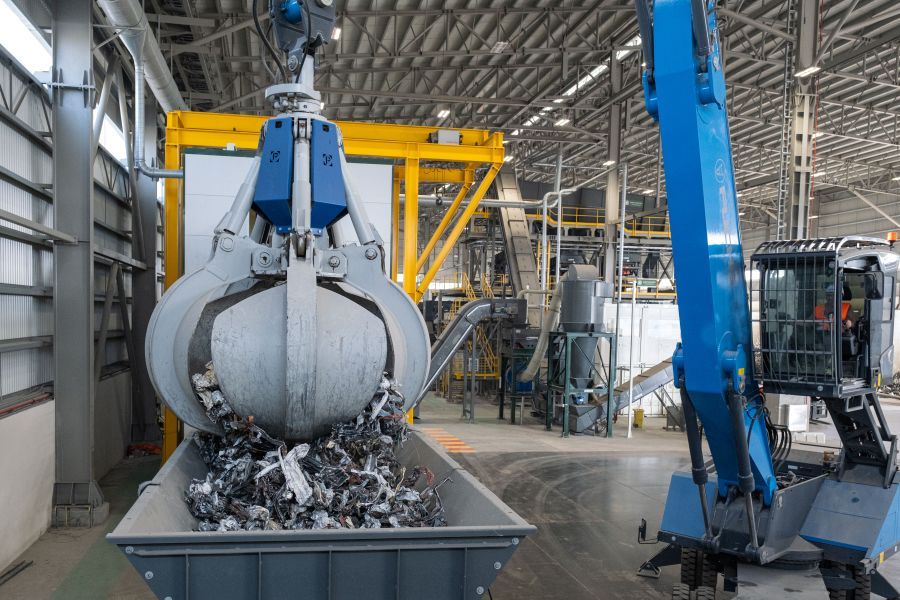
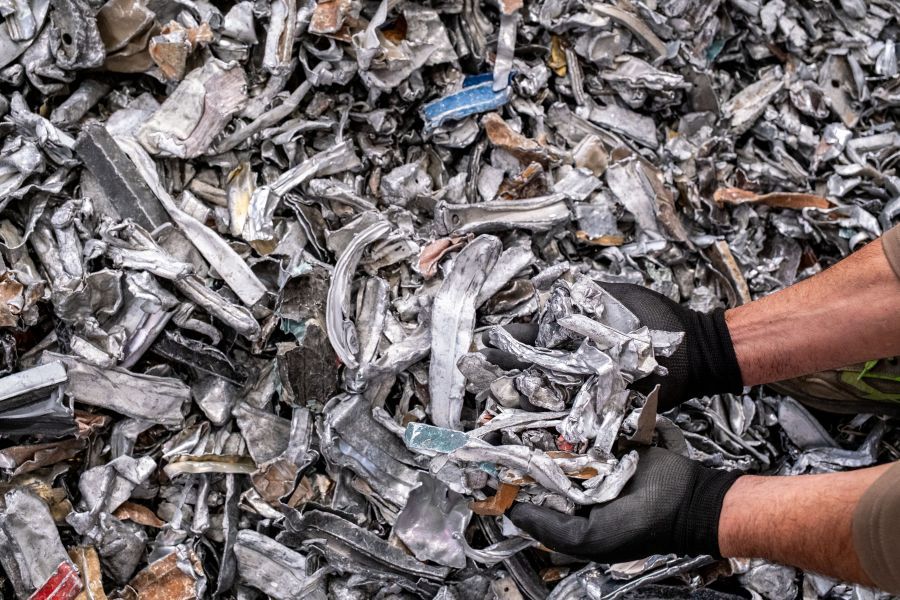
One of the main challenges of the project was the variability of the input material. The line was designed to process aluminium scrap mainly sourced from the Middle East, including loose profiles, high-density bales transported by container, engine casings, car rims and industrial scrap.
This variety required more than installed power alone. It was essential to ensure process stability, production continuity and consistent output quality, even under variable feeding conditions. For this reason, Panizzolo developed an integrated solution combining mechanical robustness, automation and centralised supervision.
The plant layout was designed to maintain continuous material flow, reduce inefficiencies and support stable operation even with different types of input material. The centralised control system also enables the customer to monitor and optimise the main operating stages, while maintaining a complete overview of the entire process.
The objective is not only to reduce or separate the scrap, but to prepare it specifically for the next stage: melting. This is where the concept of a “ready-to-furnace” output becomes central. The line contributes to the production of low-carbon billets and T-bars marketed by EGA under the RevivAL brand, integrating scrap into an industrial value chain focused on enhancing the value of recycled material.
An integrated line: from pre-treatment to sorting
The process is divided into several stages, designed to maximise efficiency, continuity and output quality.
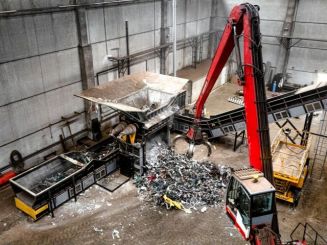
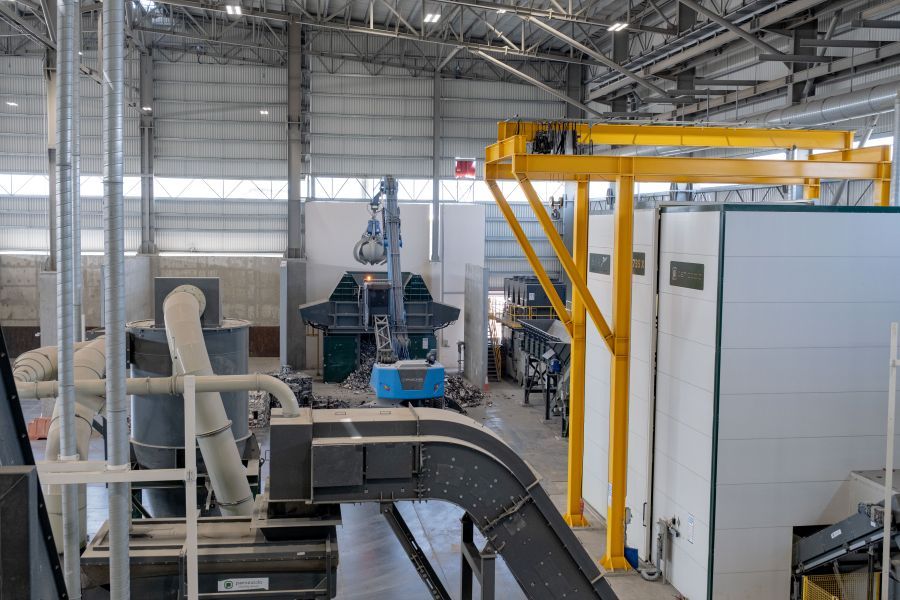
The first volumetric reduction stage is handled by the Kraken pre-shredder, configured with a chiller to ensure reliable operation even in environments characterised by high temperatures. This is a particularly important technical choice in a challenging climate such as that of the United Arab Emirates.
This is followed by the grinding stage with the Mega 735 hammer mill, equipped with soundproofing and initial magnetic separation. At this stage, the material is prepared for the subsequent sorting steps, where flow stability and precision become critical factors.
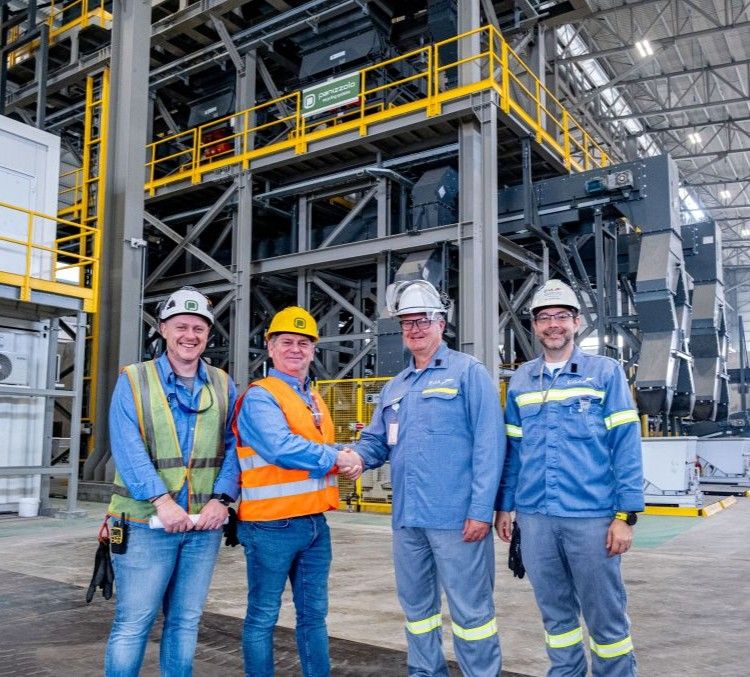
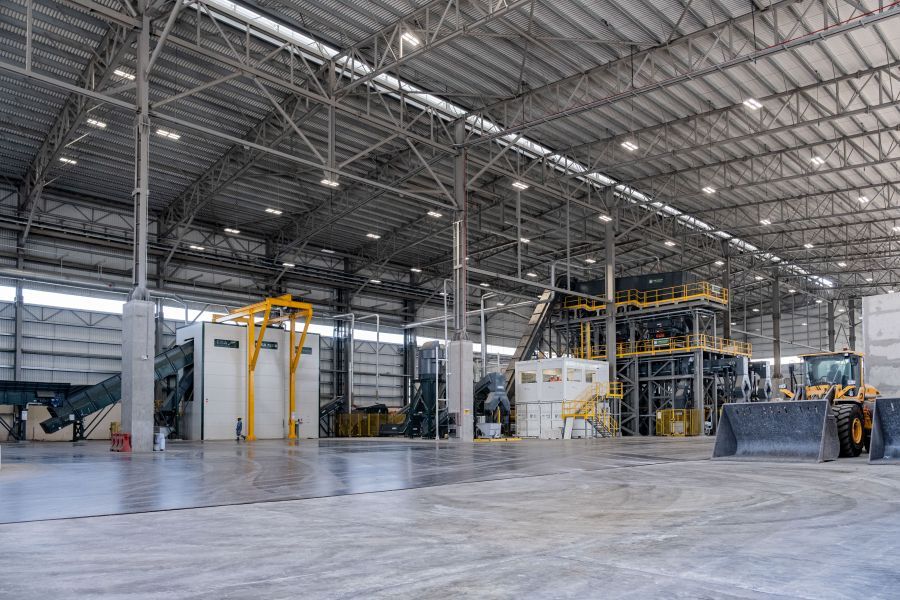
A key point in the process is the sorting area, developed vertically up to 17 metres. The custom-designed structure integrates screening systems, Eddy Current separators and X-ray technology within a vertical layout engineered to optimise material flows and improve separation efficiency.
The complexity of the structure also required specific attention to safety, accessibility and maintenance. The design solutions adopted allow for rapid interventions and support the continuous operation of the line.
The outputs of the different fractions are then conveyed to dedicated collection areas, equipped with automatic weighing systems integrated with the control software. This enables EGA to monitor both the volumes processed and the value generated by the process in real time.
Plant management is handled from a centralised control room, while four reversible storage islands help ensure operational continuity even in the presence of high material flows.
Performance of up to 28 tonnes per hour
After the design, construction and installation phases, the performance tests made it possible to verify the plant’s behaviour under the real operating conditions for which it had been designed.
The line confirmed a productivity range of between 23 and 28 tonnes per hour, depending on the type of material processed. This is a particularly significant result, achieved with heterogeneous input material, where process continuity and output quality are essential for integration into the melting cycle. The plant therefore demonstrated not only production capacity, but also stability, reliability and consistency between the project objectives and the results achieved in the field.
A complex project, combining engineering and international coordination
From a technological standpoint, the project was based on proven solutions. However, its real complexity emerged in the overall management of the order. The work required constant coordination between engineering, suppliers, international logistics and on-site operations.
The scale of the project clearly reflects this complexity: the construction of the plant required approximately 4 million working hours overall.
“It was not just a matter of building a plant, but of making all the different phases work together: engineering, suppliers, international logistics and on-site operations,” explains Federico Giraldo, Project Manager at Panizzolo Recycling Systems. “The context made the challenge even greater, with high temperatures, the significant size of the line and very strict activity management. The objective was to deliver an integrated system capable of ensuring operational continuity and stable performance from start-up.”
The assembly phase was one of the most delicate stages. Operating in a demanding environment, far from the main logistics hubs and under extreme climatic conditions, required precise planning and constant coordination of people, equipment and activities, always in compliance with safety standards.
This was compounded by the organisational complexity of the customer. Working with Emirates Global Aluminium means interfacing with a structured organisation made up of numerous departments, professionals from international backgrounds and highly structured internal procedures. In this type of context, technical expertise is essential, but it must be supported by method, adaptability, communication and continuity in project management.
A project that goes beyond the plant itself
Projects of this scale do not end with the construction of the plant. They represent a step forward in the way technologies, people and expertise are integrated to meet increasingly complex production requirements.
“In a plant of this size, it is not enough for each component to work correctly,” comments Mauro Panizzolo, Chief Executive Officer of Panizzolo Recycling Systems. “The result depends on the ability of the entire line to operate as a single system, maintaining continuity between engineering, assembly, start-up and operational management. The collaboration with EGA has allowed us to further strengthen this approach, demonstrating how technologies, people and activities can be integrated into a stable, efficient line that is consistent with the production objectives.”
The project is also opening up new perspectives for similar applications. The interest in large-scale recycling plants confirms that secondary aluminium is becoming an increasingly concrete direction for the sector.
For Panizzolo, the EGA project is therefore a reference not only for the size of the plant, but also for what it represents: aluminium recycling is becoming firmly established within major industrial processes, with increasingly high requirements in terms of quality, continuity and integration.
In this direction, the company will continue to develop technologies and expertise, transforming the complexity of scrap into value and supporting new operators in the development of increasingly structured industrial projects.
Video

FOTOALBUM
NEWS