Innovation and circularity in street sweeping waste treatment: the new Druento hub
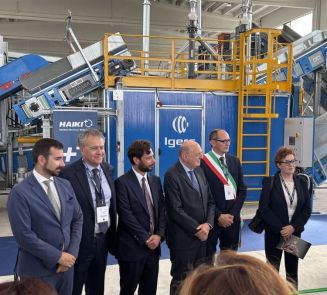
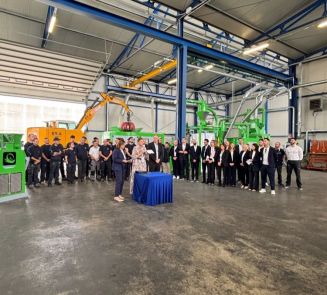
The inauguration of the plant managed by Cidiu Servizi S.p.A. marks a turning point for road residue management in Piedmont, transforming complex waste into certified raw materials for construction.
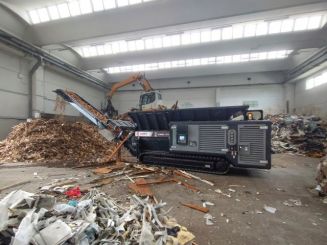
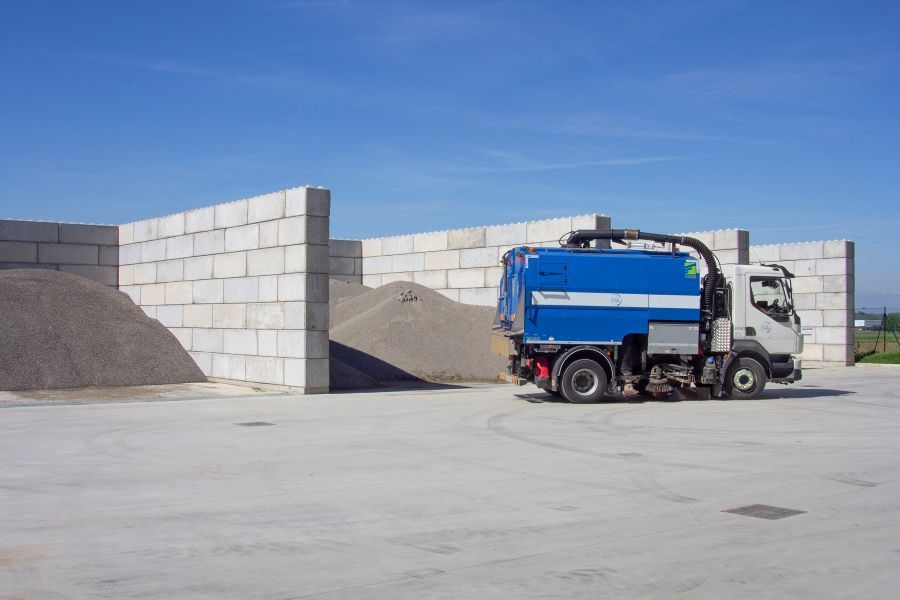
Waste derived from mechanized street cleaning (EER codes 20.03.03 and 20.03.06) has always represented a challenge for managers due to its extremely variable commodity composition, influenced by seasonality and the territorial context. Since they are technically unsuitable for waste-to-energy processes, these materials require dedicated recovery processes which, until now, were often carried out outside the Piedmont region.
The project and infrastructure
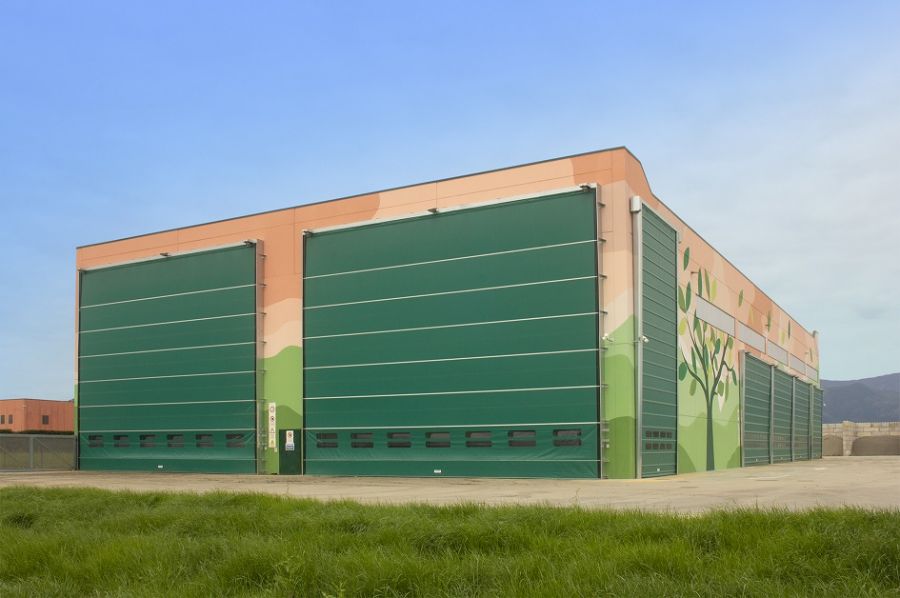
The new plant, located in Druento (TO) on Strada Cassagna, is owned by the C.A.DO.S. Consortium and managed by Cidiu Servizi S.p.A., the plant engineering company of the Cidiu Group., The project was realized with an investment of 6 million euros, almost entirely funded through the PNRR (National Recovery and Resilience Plan). With an authorized capacity of 30,000 tons per year and a treatment potential of 11 tons per hour, the structure guarantees greater infrastructure autonomy for the territory, serving numerous sector operators.
Technology and process: "soil washing"
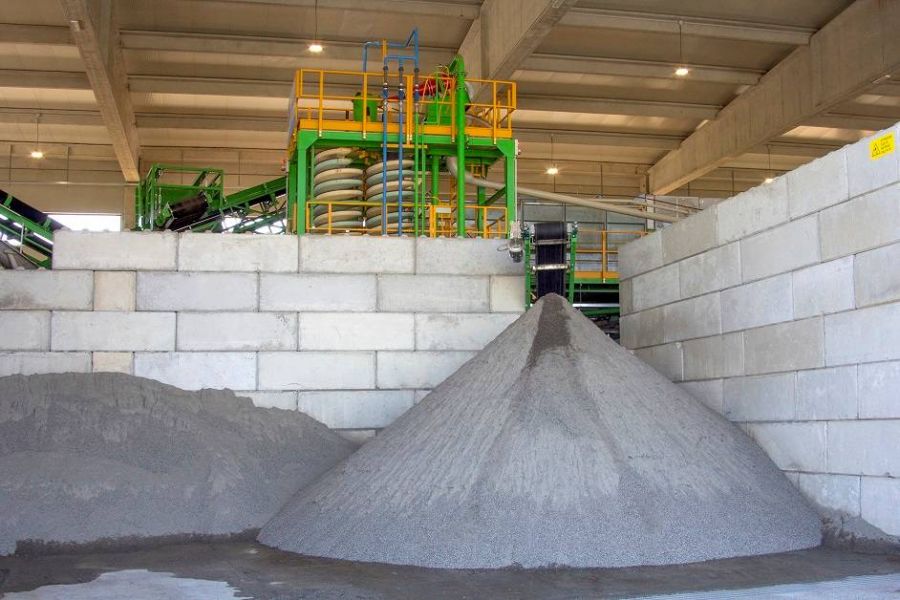
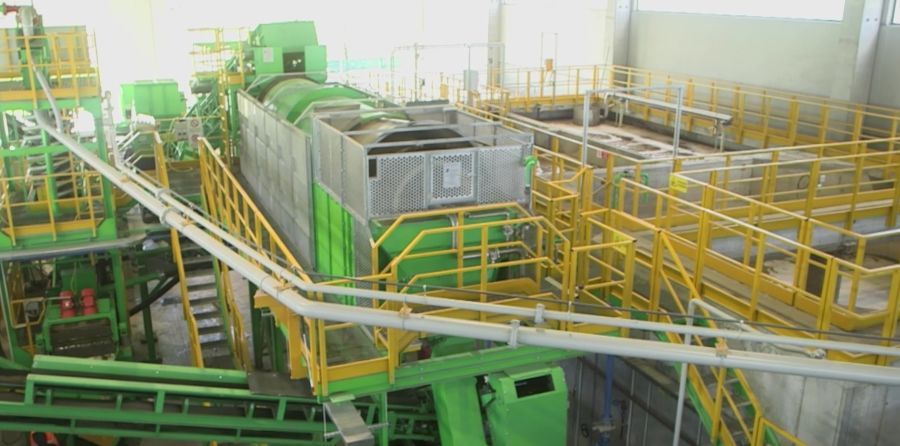
The technological heart of the site is an automated soil washing process, based on patented technology, which organizes the treatment into three main sections: separation of solid fractions, liquid treatment, and sludge dehydration. The treatment flow includes:
- Pre-screening for the removal of mixed waste.
- Magnetic separation for the recovery of ferrous materials to be sent to specific centers.
- Washing and separation to obtain inorganic aggregates and the organic fraction.
The plant boasts a high sustainability profile: over 75% of the washing water is purified and reused internally, and the electricity used is 100% certified from renewable sources.
Towards closing the loop: material recovery
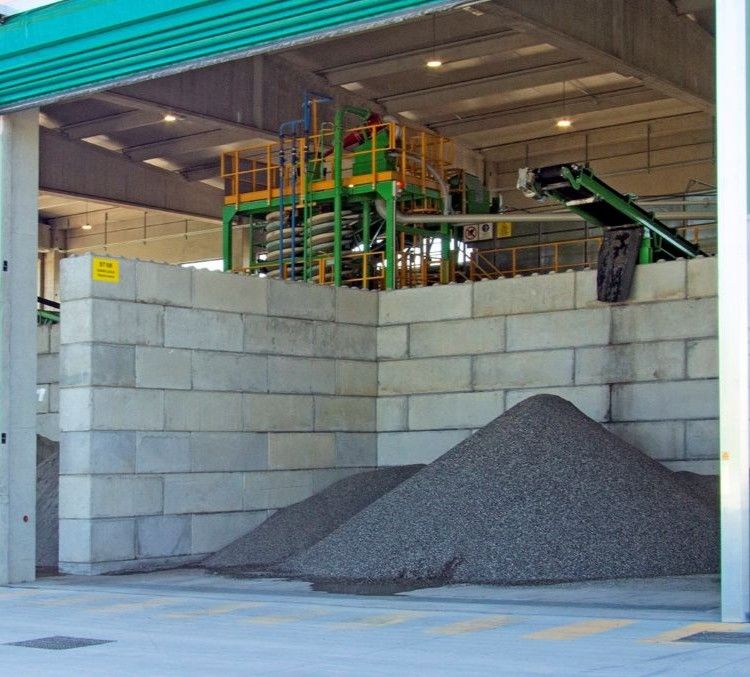
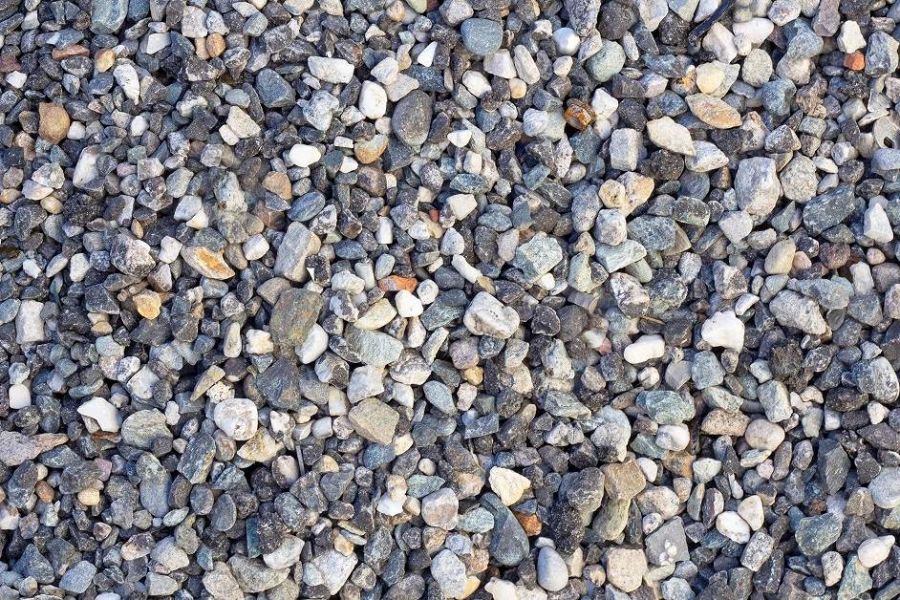
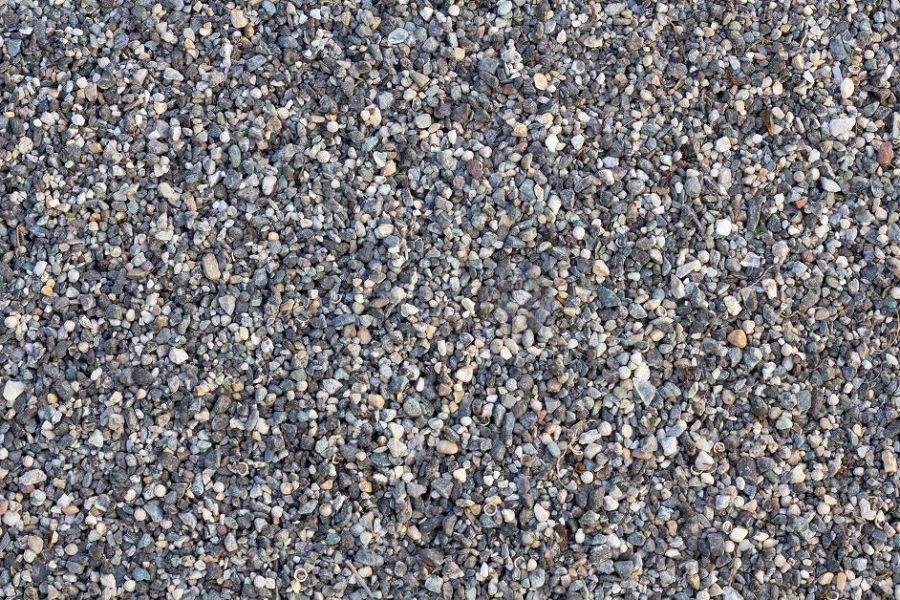
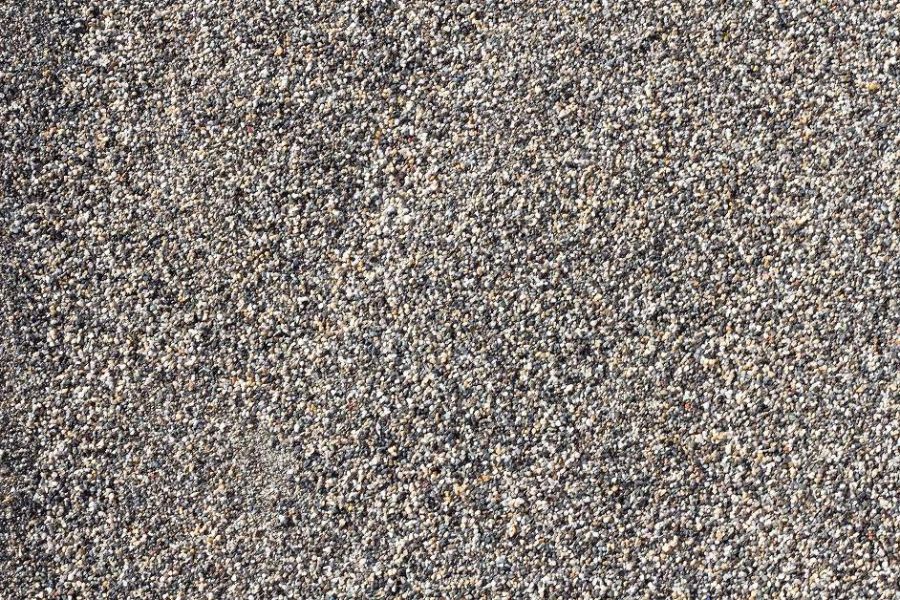
The process effectively separates the organic fraction, which is treated in the adjacent composting plant, from the recycled aggregates. These aggregates (sand, fine gravel, and gravel) are produced with a recycled material content of 100%, are CE marked (assessment system 2+), and fully comply with the Minimum Environmental Criteria (CAM) for construction according to the UNI/PdR 88:2020 practice.
The success of this infrastructure lies in the ability to transform waste into a strategic resource through the End of Waste mechanism., The obtained materials—specifically sand (0.063-2 mm), fine gravel (2-8 mm), and gravel (8-20 mm)—lose their nature as waste to become actual products and subproducts ready for market re-entry.
These aggregates find use as secondary raw materials in crucial civil engineering sectors: from the production of concrete and mortar (compliant with UNI EN 12620 and 13139 standards) to the creation of bituminous mixtures and road, rail, or airport foundations and sub-bases. The ability to close the cycle locally not only reduces economic and environmental costs related to transport but also concretizes the principles of the circular economy, providing the construction industry with certified and sustainable materials.

FOTOALBUM
NEWS