









Two-day event brings together industry experts, customers and media to examine ideas for the future and groundbreaking technologies for today.
More...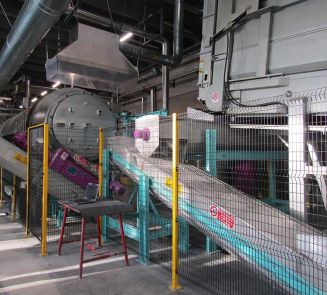
The technology, patented by Fater SpA, a P&G and Gruppo Angelini joint venture, can transform 10,000 tonnes per year of used diapers into new products and materials of added value; enough to serve one million people. An example of Industry contribution to Environmental Sustainability that won the company the “Circular Economy Champion” award from the European Commission.
More...
In Italia 3 milioni di green jobs, il 13,1% degli occupati. 355 mila imprese made in Italy (27,1% del tot.) Ripartono con la green economy: sono più competitive, esportano e assumono di più.
More...
Nel 3° trimestre 2017 +27,9% rispetto al 3° trimestre 2016.
More...
I nuovi obiettivi UE impongono il raggiungimento del 45% dell’immesso al consumo nel triennio 2016-2018, che salirà al 65% o, in alternativa, all’85% dei RAEE generati a partire dal 2019. Oggi, in Italia, è avviato al riciclo solo il 40% dell’immesso al consumo.
More...
Industrial shredder manufacturer UNTHA has witnessed significant growth in Italy following a collaboration with one of the country’s leading environmental technology specialists, Ecotec Solution.
More...

From plastic bags to pesticides - most of the waste we produce on land eventually reaches the oceans.
More...
The MB Crusher range designed for urban worksites is in operation in cities all over the world.
More...
L'impianto sarà dotato di un processo a basso impatto ambientale per la valorizzazione delle tonnellate di frazione organica rifiuti solidi urbani (FORSU) da raccolta differenziata attualmente destinate alla discarica e all'incenerimento.
More...
Due progetti avviati dal costruttore automobilistico mettono in primo piano l'impegno per l'ambiente con il recupero dell'alluminio e del poliuretano.
More...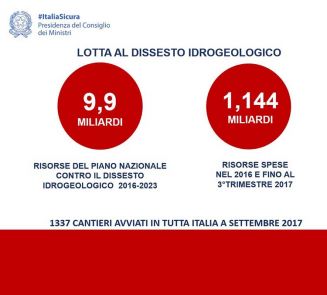
Ammontano a circa circa 9,9 miliardi le risorse del Piano nazionale contro il dissesto idrogeologico per il 2016 - 2023.
More...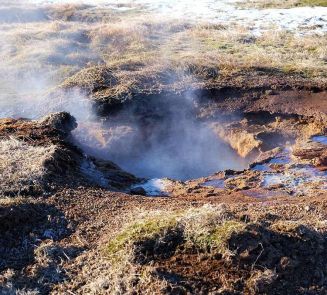
Government and private sector leaders assemble to unlock geothermal’s 200GW of potential.
More...
Interview to Frank van de Winkel, metal division manager in Tomra Sorting Recycling.
More...
Tra i più importanti elementi di semplificazione c’è l'eliminazione delle autorizzazioni preventive attraverso la previsione di un modello di controllo ‘ex post’, con l'autocertificazione e il rafforzamento del sistema dei controlli.
More...
Segnali positivi ma che non tranquillizzano ancora il mercato perchè manca un effettivo aumento degli investimenti nelle costruzioni.
More...
Non eravate alla festa dei venticinque anni di Trevi Benne? Fate un giro con noi.
More...
As the new Global Sales & Marketing Director, Fabrizio will assume the lead role to further develop and implement the short and long-term sales and marketing go-to-market strategy of TOMRA´s Recycling business stream.
More...